
Nepali Food Guide: Traditional Dishes, Regional Cuisine and Culinary Culture
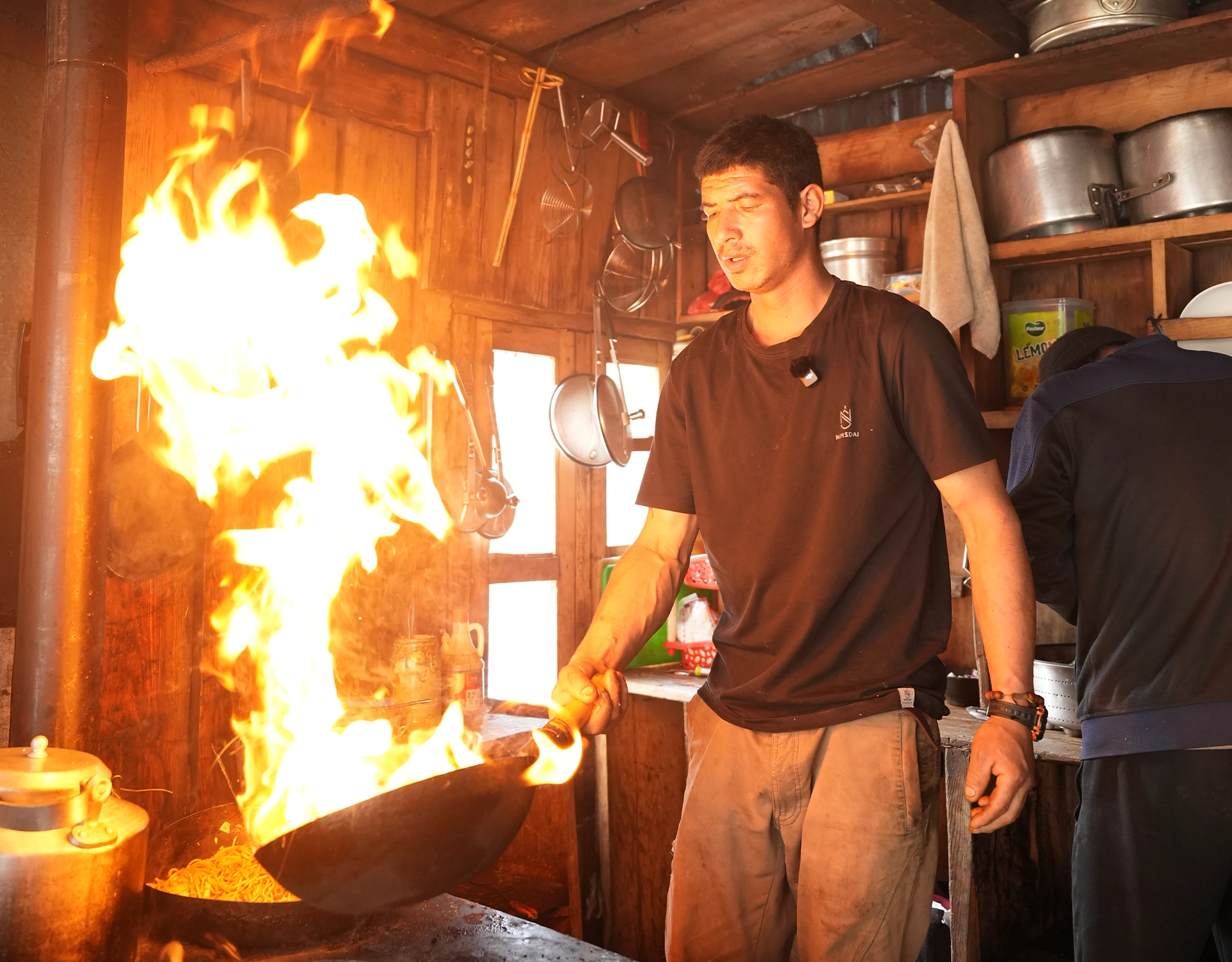
Traditional Nepali food is one of the most diverse and fascinating cuisines in Asia, shaped by Nepal’s dramatic geography, ethnic diversity and centuries of cultural exchange. Stretching from the subtropical Terai plains to the frozen Himalayan peaks, Nepal packs an extraordinary diversity of flavours into a remarkably small landmass. Nepali cuisine is often reduced to momos and dal bhat in the popular imagination, but that shorthand misses dozens of distinct regional traditions shaped by over 120 ethnic groups. The food here tells a story of trade routes, monsoon cycles, and centuries of cultural exchange with India, Tibet, and China. Whether you are planning a trip to Kathmandu or simply want to cook something new at home, understanding the depth of this culinary tradition will change the way you think about Himalayan food. What follows is a practical, flavor-first guide to the dishes, ingredients, and regional styles that define one of Asia’s most underappreciated food cultures.
Foundations of Nepali Gastronomy
Geographic and Cultural Influences
Nepal’s terrain is the single biggest factor shaping what people eat. The Terai lowlands, sitting at just a few hundred meters above sea level, produce rice, lentils, sugarcane, and tropical fruits year-round. The middle hills, where most of the population lives, support terraced rice, paddies in summer and wheat or millet in winter. Above roughly 3,000 meters, barley, buckwheat, and potatoes become the primary staples because rice simply will not grow.
Trade has been equally important. The ancient salt-for-grain exchange between Tibetan plateau herders and hill farmers created food corridors that still influence flavor profiles today. Newari merchants in the Kathmandu Valley absorbed Indian spice techniques while maintaining their own fermented and dried-food traditions. The result is a cuisine that can taste distinctly South Asian in one valley and almost Tibetan in the next.
Essential Spices and Ingredients
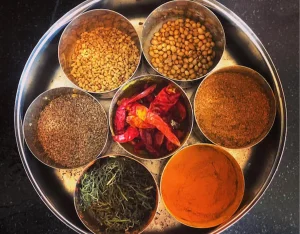
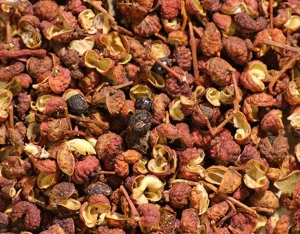
A Nepali kitchen runs on a surprisingly concise pantry. Cumin, turmeric, coriander, fenugreek, and dried red chilies form the backbone of most dishes. Timur, a Himalayan sichuan pepper relative that grows wild in the hills, delivers a citrusy, tongue-numbing heat that distinguishes Nepali cooking from its Indian neighbor.
Mustard oil is the default cooking fat across most of the country, lending a pungent sharpness to everything from sautéed greens to pickles. Ghee takes over in festive and high-altitude cooking. Fermented ingredients like gundruk (dried, fermented leafy greens) and kinema (fermented soybeans, similar to Japanese natto) add umami depth that surprises first-time visitors expecting only curry-style flavors.
The National Staple: Dal Bhat Tarkari
Components of a Traditional Thali
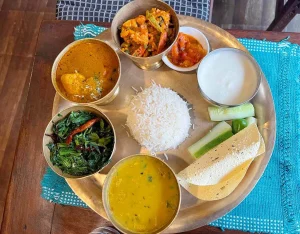
Dal bhat tarkari is not just a meal: it is the organizing principle of Nepali daily life. The phrase translates simply to lentil soup, rice, and vegetable curry, but a proper thali is far more than the sum of those three parts.
A standard serving begins with a generous mound of steamed rice at the center of a bronze plate. Lentil soup, usually made from yellow lentils tempered with cumin, garlic, and turmeric, is poured alongside. At least one tarkari, a sautéed or stewed vegetable dish, accompanies the rice. Most households add achar, a spicy pickle or chutney made from tomato, radish, or sesame seeds, that brings acidity and heat. Meat, when available, appears as a small portion of chicken, goat, or buffalo curry.
Regional Variations and Side Dishes
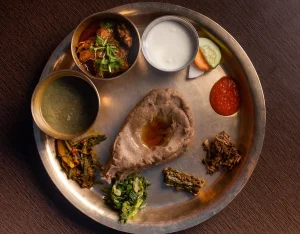
The composition of a dal bhat plate shifts dramatically by region and season. Tamarind (imli) shows up especially in Madhesi and Mithila-influenced cooking (southern plain areas like Dhanusha, Siraha, Saptari), giving dal a distinct souring note that’s less common in Kathmandu Valley or hill cooking, where lemon, tomato, or gundruk-based sourness is more typical. Hill communities often substitute millet or maize porridge (dhido) for rice, creating a stickier, more filling base that suits cold weather and physical labor.
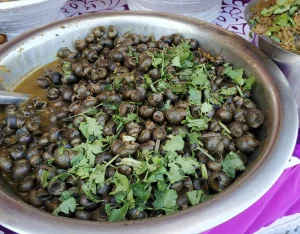
Side dishes reveal ethnic identity. Tharu communities in the western Terai serve ghonghi, river snails cooked in mustard and Himalayan schezuan pepper/ Timmur. Gurung families in the Annapurna foothills might add a plate of buckwheat pancakes. The beauty of dal bhat is its modularity: the framework stays constant, but the details change with every kitchen.
Iconic Street Foods and Snacks
Momo: The Beloved Himalayan Dumpling
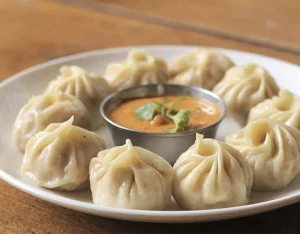
No conversation about Nepali food gets far without momos. These steamed or fried dumplings arrived with Tibetan traders centuries ago but have become Nepal’s most recognizable street food. Fillings range from spiced buffalo mince (the classic Kathmandu version) to chicken, paneer, and seasonal vegetables.
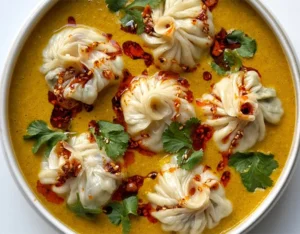
What sets Nepali momos apart from their Tibetan and Chinese counterparts is not only the flavourful filling, infused with a distinctive blend of Nepali herbs and spices but also the dipping sauce. A fiery tomato-based achar, blitzed with timur, sesame seeds, and dried chilies, accompanies nearly every order. Vendors across Kathmandu now offer creative variations: jhol momo swimming in a spicy sesame broth, kothey momo pan-fried on one side for crunch, and even cheese-stuffed versions aimed at tourists. A plate of eight to ten pieces rarely costs more than 150 to 200 Nepali rupees from a street stall, making momos one of the best cheap meals in Asia.
Chatamari and Newari Delicacies
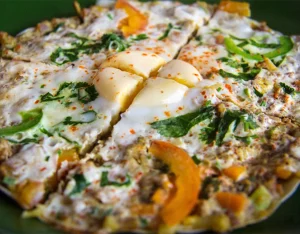
The Newar people of the Kathmandu Valley maintain one of Nepal’s most elaborate food traditions. Chatamari, sometimes called “Nepali pizza,” is a thin rice-flour crepe topped with minced meat, egg, and chopped vegetables, then cooked on a clay griddle. The comparison to pizza is loose, but the crispy-edged, savory result is genuinely addictive.
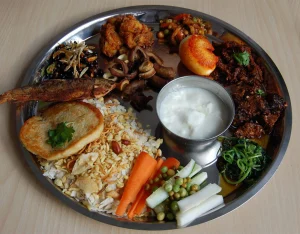
Newari feasts, served during festivals and family celebrations, can include over a dozen courses. Choyla, spiced grilled buffalo meat dressed in mustard oil and timur, is a centerpiece. Yomari, steamed rice-flour dumplings filled with molasses and sesame, mark the winter harvest festival. Newari cooking relies heavily on fermentation and preservation, reflecting a mercantile culture that needed shelf-stable foods for trade journeys.
Clich here for Cultural and Heritage tours.
Ethnic and Regional Specialties
Himalayan Cuisine and Tibetan Influence
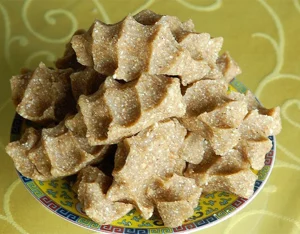
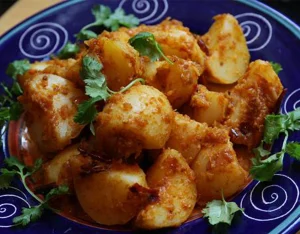
Above the tree line, the food becomes starkly different. Sherpa and Tamang communities in the Everest and Langtang regions rely on tsampa (roasted barley flour), yak butter, dried cheese, and potatoes. Thukpa, a hearty noodle soup loaded with vegetables and sometimes yak meat, is the default cold-weather meal for trekkers and locals alike.
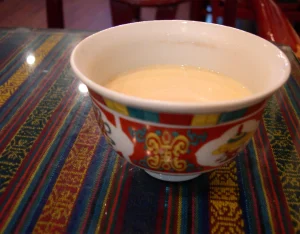
Butter tea, made by churning black tea with yak butter and salt, is an acquired taste for lowlanders but an essential calorie source at altitude. The high-fat, high-salt profile makes physiological sense when you are burning thousands of calories a day in thin, cold air. These dishes have changed little over centuries because the constraints of altitude and climate leave few alternatives.
Click here for some treks in Everest Region.
Terai Flavors and Madhesi Cooking
The southern plains share a culinary border with northern India, and the food reflects it. Madhesi cooking features flatbreads like roti and paratha more prominently than rice, along with thick vegetable curries, chutneys, and fried snacks. Sattu, roasted chickpea flour mixed with lemon, spices and water, serves as a quick protein-rich drink during the brutal summer heat.
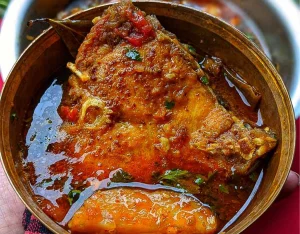
Fish from Terai rivers, especially rohu and catla, appears in mustard-spiked curries that would feel at home in Terai. Tharu cooking stands out for its use of wild herbs, river snails, and crab. The Tharu community’s relationship with the jungle and wetlands produces flavors you simply will not find in Kathmandu restaurants, making the Terai an underexplored destination for food-focused travelers.
Click here for tours in Terai region of Nepal.
Traditional Beverages and Sweets
Fermented Drinks: Chyang and Raksi
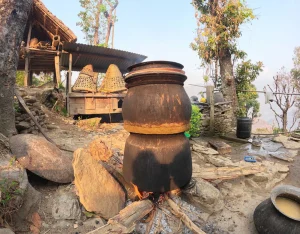
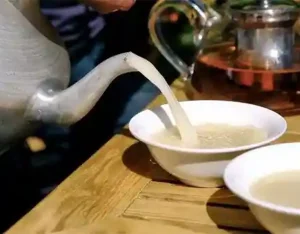
Alcohol holds a complicated place in Nepali culture. Many hill and mountain ethnic groups have deep traditions of home brewing, while some Terai and high-caste Hindu communities abstain entirely. Chyang, a mildly alcoholic rice beer, is the everyday drink of Tamang, Gurung, and Rai communities. It is milky, slightly sour, and served warm in winter, often from a large communal pot.
Raksi, a stronger distilled spirit made from millet or rice, is the celebratory drink of choice. Home-distilled raksi varies wildly in quality, from smooth and fragrant to eye-wateringly harsh. Both drinks play ritual roles in weddings, funerals, and harvest festivals, making them cultural artifacts as much as beverages.
Festive Desserts: Sel Roti and Jerry
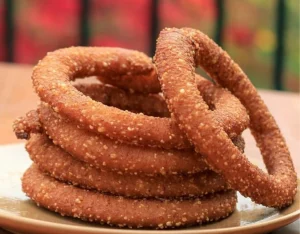
Nepali sweets tend to be less syrupy than their Indian counterparts. Sel roti, a ring-shaped fried bread made from rice flour batter, is the signature treat of Dashain and Tihar, Nepal’s two biggest festivals. The batter is sweetened with sugar and flavored with cardamom, banana, or ghee before being deep-fried to a crispy, slightly chewy ring. Every family has its own recipe, and debates about whose sel roti is best can get genuinely heated.
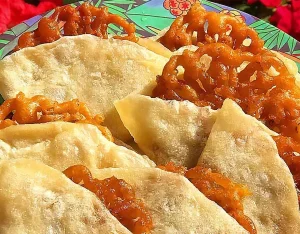
Jerry (also spelled jeri or jalebi in some regions) is a pretzel-shaped fried sweet soaked in sugar syrup, often eaten for breakfast alongside a bowl of soft, warm swari (puri/fried flatbread). Yomari, the Newari dumpling filled with chaku (hardened molasses), rounds out the festive dessert calendar and was even granted a dedicated festival day on the Newar calendar.
The Evolving Global Nepali Food Scene
Nepali food is having a quiet but real moment internationally. Momo shops have multiplied in cities with large Nepali diaspora communities: all major cities around the world now have dedicated Nepali restaurants serving far more than just dumplings. Chefs in Kathmandu are also pushing boundaries, pairing traditional ingredients like timur and gundruk with modern plating and technique.
The growing trekking and travel industry continues to introduce visitors to dishes they cannot find back home, and many return looking for those flavors. Cookbooks and YouTube channels focused on Nepali recipes have surged in the 2020s, making it easier than ever to recreate dal bhat, momos, and Newari specialties in a home kitchen anywhere in the world.
If you take one thing from this guide, let it be this: Nepali food is not a subset of Indian food, nor a footnote to Tibetan cooking. It is its own rich, layered tradition shaped by mountains, monsoons, and a remarkable diversity of people. Seek it out, cook it, and pay attention to the regional differences. That is where the real magic lives.
Related Blogs