
Traditional Sweets of Nepal: 9 Festive Treats to Discover During Tihar
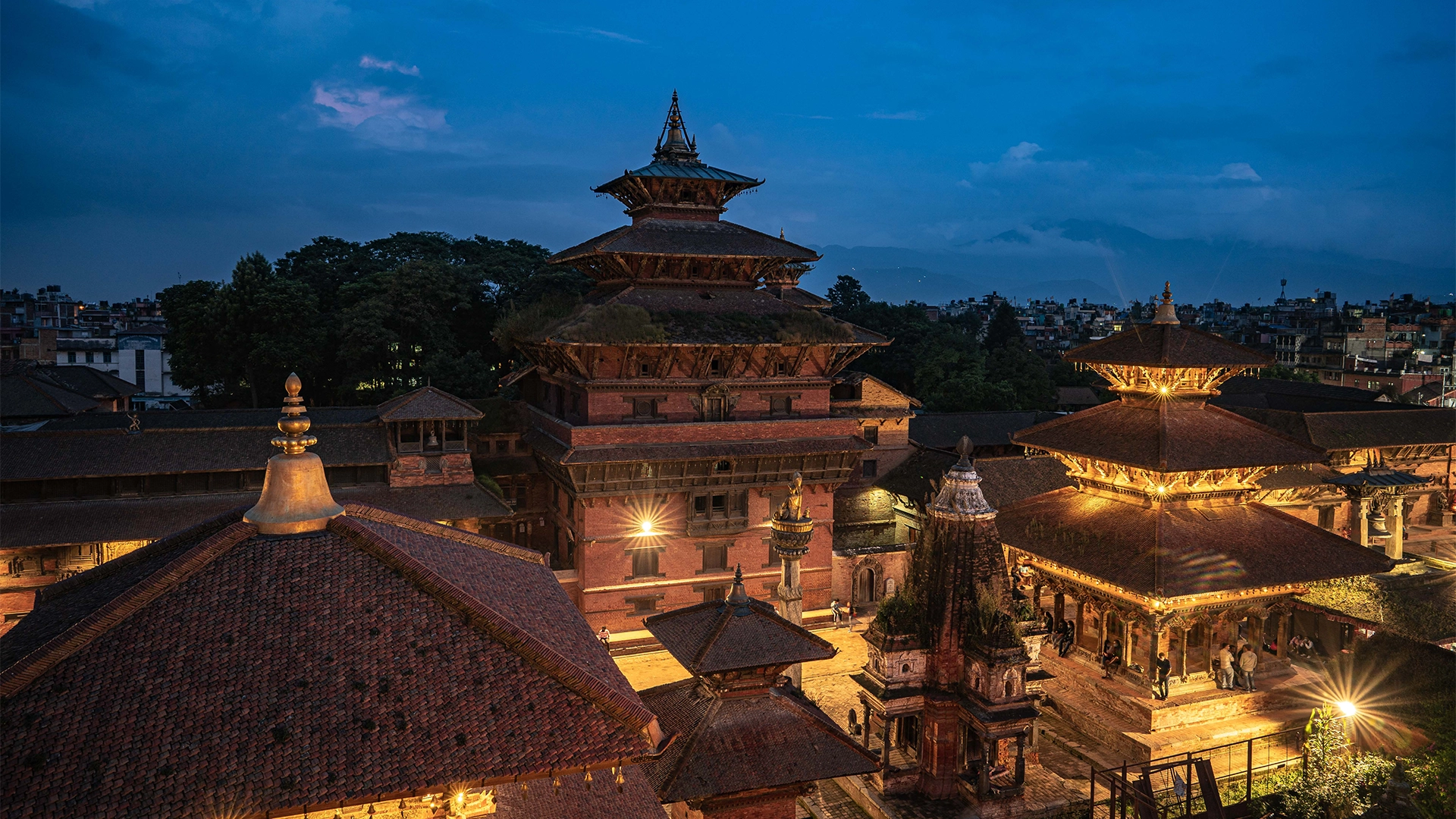
There is something special about visiting Nepal during Tihar. The streets glow with oil lamps and colourful lights, marigold garlands hang across doorways, and the smell of freshly prepared food fills neighbourhoods. Inside homes, families gather to prepare festive meals, welcome visitors and share an assortment of traditional treats.
Among the many things that make Tihar memorable is its food. From savoury dishes to sweet treats, the traditional sweets of Nepal are an important part of the country’s festive food culture. Often prepared in large batches, these delicacies are shared with relatives, neighbours and visitors throughout the celebrations.
Some of these foods are familiar throughout Nepal, while others are closely associated with particular communities and regions. Many are made using everyday ingredients such as rice flour, wheat flour, sesame seeds, sugar, jaggery and ghee, but their preparation gives each one a distinct character.
If you have never experienced a Nepali festival before, Tihar is a wonderful introduction to the country’s food culture. And what better way to get acquainted with it than through some of the traditional sweets enjoyed during the celebrations?
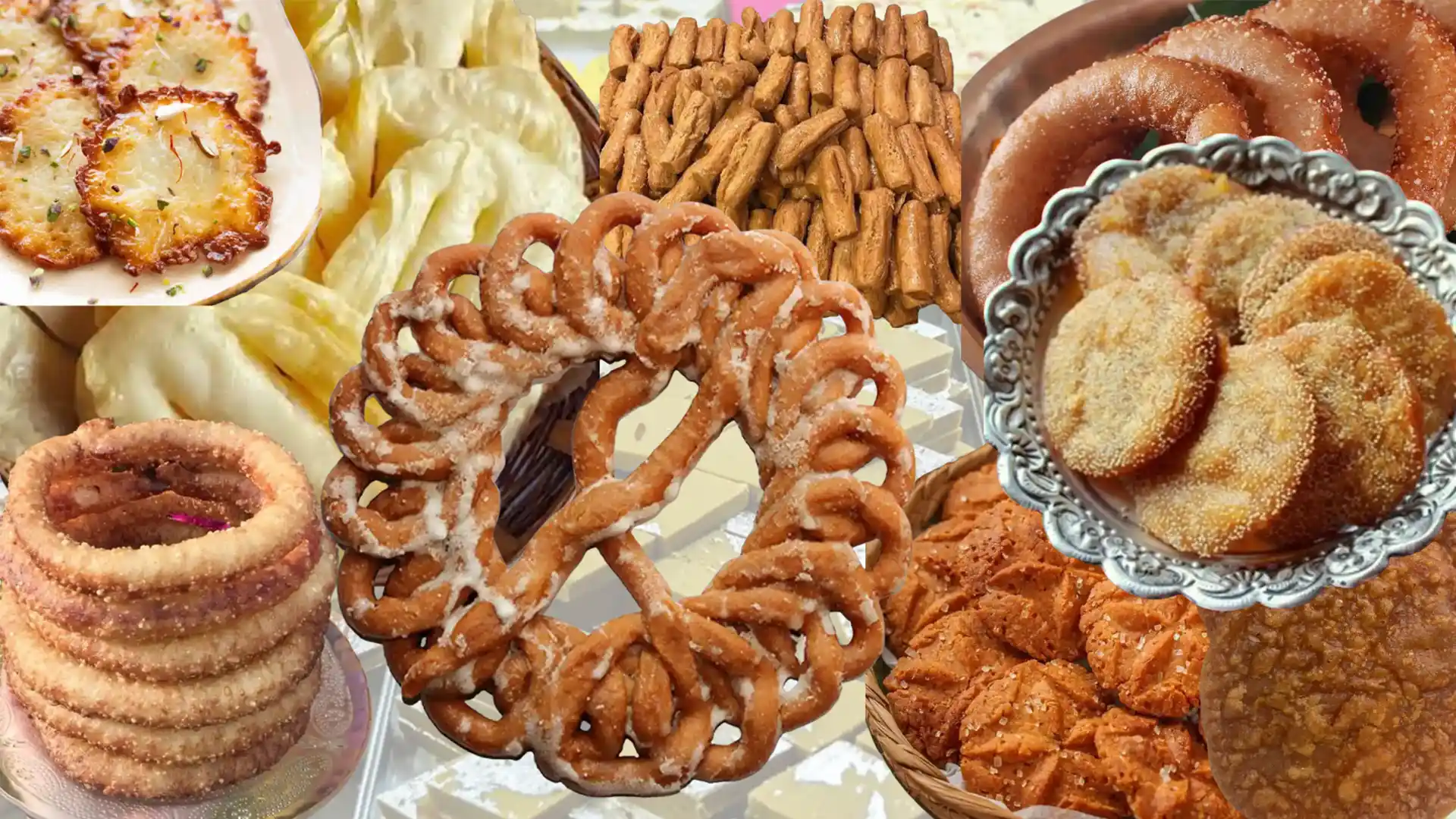
Here are nine Nepali delicacies worth knowing about.
1. Sel Roti: The Ring-Shaped Bread That Defines Tihar
Ask someone in Nepal to name a food associated with Tihar, and sel roti will probably be among their first answers.
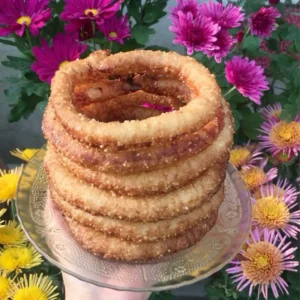
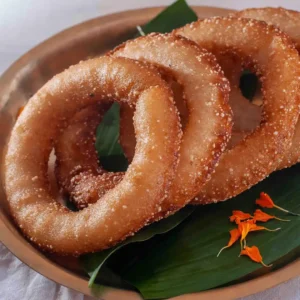
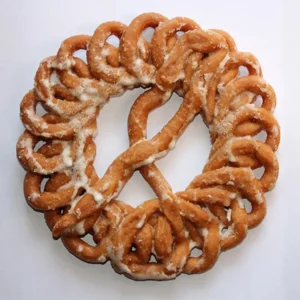
Unlike a conventional cake or pastry, sel roti is a sweet, ring-shaped bread made from rice flour. Its appearance might remind you of a doughnut, but the ingredients and preparation give it a character of its own.
The mixture is made using rice flour, sugar, ghee and water, sometimes with additional flavourings depending on the family recipe. It is poured by hand into a circular shape in a pan of hot oil or ghee and fried until the outside turns golden brown.
A good sel roti has a slightly crisp exterior and a soft, chewy centre. It is mildly sweet and is often enjoyed with yoghurt, potato pickle or a cup of Nepali milk tea.
Preparing sel roti is almost a festival tradition in itself. In many households, family members gather around the kitchen to make batch after batch. The batter is poured into hot oil by hand, and creating a neat, continuous circle takes a little practice. Experienced cooks often have their own tricks for getting the texture and shape just right.
Sel roti is prepared during several Nepali celebrations, including Dashain, but it has a particularly strong association with Tihar. It is also shared with groups performing Deusi-Bhailo, the traditional singing and dancing that takes place during the festival.
Sel roti is perhaps one of the most recognisable traditional sweets of Nepal, particularly during Tihar. Its familiar ring shape, mildly sweet flavour and place in family celebrations make it a favourite across generations.
For many Nepalis, the sight and smell of freshly made sel roti are among the first signs that Tihar has arrived.
2. Anarsa: A Rice Sweet with a Sesame-Coated Crust
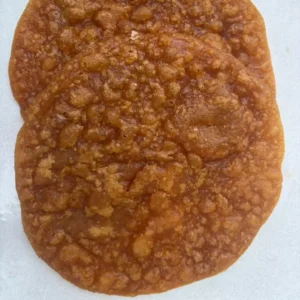
Anarsa is another example of the traditional sweets of Nepal that showcase the country’s rice-based culinary traditions. Anarsa, sometimes written as anarasa, is a traditional rice-based sweet that is particularly popular during Tihar.
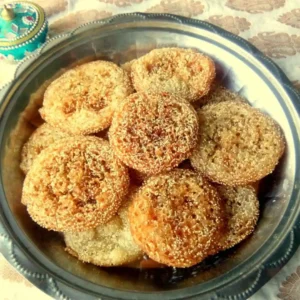
Its preparation begins with rice, which is soaked, ground and mixed with sugar to create a dough. Small portions are shaped into flat rounds and coated with sesame seeds before being fried in oil or ghee.
The sesame coating gives anarsa its distinctive appearance and adds a pleasant nutty flavour. The inside has a firm, grainy texture, while the outside develops a delicate crispness during frying.
One interesting aspect of anarsa is the preparation involved before it reaches the frying pan. Traditional methods require time to prepare the rice and achieve the right consistency for shaping. It is not simply a matter of mixing ingredients and cooking them immediately.
Anarsa is often prepared alongside sel roti during Tihar, although it is also enjoyed on other special occasions. As one of the traditional sweets of Nepal, it showcases how simple ingredients such as rice and sesame seeds can be transformed into a distinctive festive delicacy.
3. Arsa: A Traditional Rice and Jaggery Delicacy
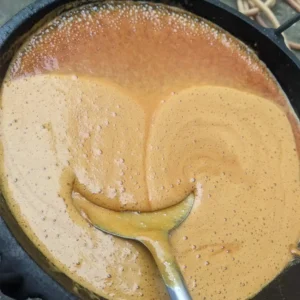
Together, arsa and anarsa represent the diversity of traditional sweets of Nepal. Arsa is another traditional Nepali sweet made primarily from rice and jaggery. Although its name sounds similar to anarsa, it is a separate preparation with its own ingredients and cooking method.
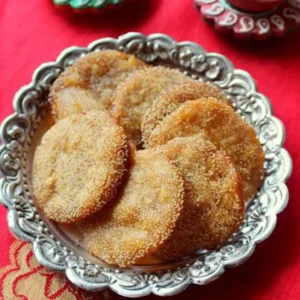
Rice is soaked and ground into flour, which is then combined with a thick mixture of melted jaggery. Jaggery is an unrefined sweetener made by concentrating sugarcane juice. Once the mixture forms a workable dough, it is shaped into small flat cakes or patties and fried in ghee or oil.
The result is a rich, sweet delicacy with a deep caramel-like flavour from the jaggery. Its exterior can be crisp, while the middle remains slightly chewy.
Arsa is particularly interesting because it demonstrates the importance of rice and traditional sweeteners in Nepal’s regional food traditions. Recipes can differ depending on the household and locality, with variations in shape, texture and additional flavourings.
Although less widely associated with Tihar than sel roti, arsa remains an interesting part of the traditional sweets of Nepal, particularly when exploring the regional variations in the country’s festive cuisine.
4. Phini Roti: A Delicate, Layered Festival Treat
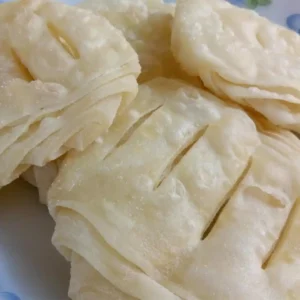
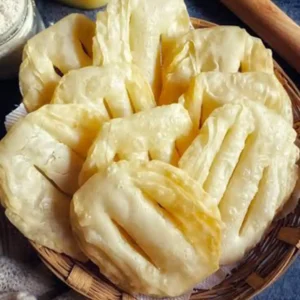
Phini, also known as fini roti, is a traditional Nepali delicacy appreciated for its rich flavour and layered texture.
Unlike the rice-based sweets mentioned above, phini is commonly prepared using refined wheat flour and ghee. The dough is carefully worked and layered with ghee before being shaped and cooked.
This process creates thin layers that become light and flaky when prepared properly. Depending on the regional or household recipe, phini can be round, folded or shaped into other forms.
Its texture is somewhat reminiscent of a flaky pastry, although the preparation is rooted in Nepali food traditions. The generous use of ghee gives it a rich flavour, and it is often enjoyed with tea or served alongside other festive dishes.
Phini is prepared during Tihar and other celebrations. Its distinctive preparation makes it a good example of the variety of techniques found in traditional Nepali sweet-making.
5. Khurma Roti: A Crunchy Addition to the Festive Table
Khurma roti is a traditional fried delicacy that adds a crunchy element to the selection of foods enjoyed during Nepali festivals.
It is generally prepared using rice flour, wheat flour and ghee, with other ingredients added depending on the recipe. The dough is rolled out and cut into small pieces or shaped into decorative patterns before being fried.
Unlike the soft centre of sel roti or the delicate texture of phini, khurma is known for its crunch. It is the kind of treat that can be prepared in advance and kept ready for visitors during the festive period.
Its simple ingredients are transformed through shaping and frying into a snack that is easy to serve and share.
Khurma is enjoyed on different festive occasions in Nepal, with variations in its preparation across households. Its crunchy texture and simple ingredients make it a familiar addition to the wider selection of traditional sweets of Nepal.
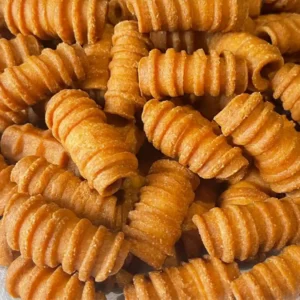

6. Khajuri: A Traditional Sweet with Decorative Patterns
Khajuri is a traditional fried biscuit made from ingredients such as flour, sugar and ghee. The dough is shaped into small pieces, often decorated with patterns, and fried until golden and crunchy.
Unlike sel roti and anarsa, khajuri is not typically prepared specifically for Tihar. In Nepal’s Terai, or southern plains, it is more commonly associated with Chhath, a major festival celebrated shortly after Tihar. During this time, families prepare traditional foods and offerings as part of the celebrations.
Khajuri is also enjoyed on other occasions and forms part of the wider variety of traditional sweets of Nepal. Recipes, shapes and decorative patterns can vary between households and regions, making each version a little different.
The name khajuri is also used for related sweets in other South Asian food traditions, and some recipes are associated with thekuwa. However, preparation and naming vary, so the two should not automatically be treated as identical in every region.
Khajuri is a good example of how traditional Nepali sweets are shaped not only by their ingredients, but also by local cooking practices and cultural traditions.
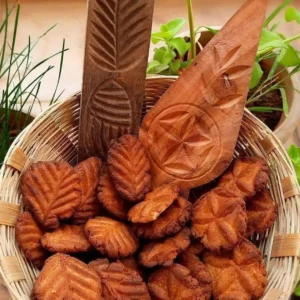
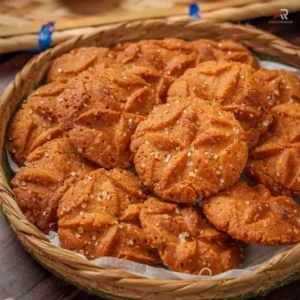
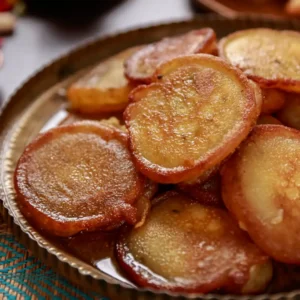
7. Malpuwa: A Sweet, Golden Pancake
Malpuwa is a sweet, fried pancake enjoyed in Nepal and other parts of South Asia. It is made from a batter that commonly includes flour, milk and sugar. Some recipes also use mashed banana or flavourings such as cardamom and fennel seeds.
Small portions of batter are fried until golden, giving the pancakes soft centres and lightly crisp edges. Depending on the preparation, they may also be dipped in sugar syrup, making them richer and sweeter.
Malpuwa is enjoyed during festivals and special occasions across Nepal, including in the Terai region. It is not exclusive to Tihar, but it is one of the traditional sweets visitors may come across when exploring Nepali food culture.
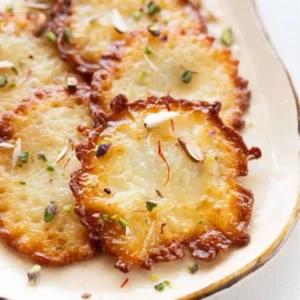
8. Lakhamari: A Traditional Sweet from Newar Culture
The traditional sweets of Nepal also reflect the country’s diverse ethnic and cultural heritage, with different communities contributing their own recipes, ingredients and preparation methods.
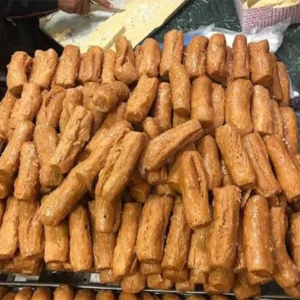
Lakhamari is a traditional sweet associated with the Newar community of the Kathmandu Valley. It is made using flour, sugar and butter or ghee, and is shaped into different decorative forms before being cooked.
Unlike soft, syrup-based desserts, lakhamari is generally firm and crunchy. Its elaborate shapes are part of its appeal, and different forms have their own traditional names.
Lakhamari has an important place in Newar ceremonies, particularly weddings. It is traditionally exchanged as part of sagun, a ceremonial offering that carries wishes of good fortune and prosperity. It is also used in religious offerings and other special occasions.
Although lakhamari is not exclusively a Tihar sweet, it deserves a mention when exploring the variety of festive delicacies enjoyed across Nepal.
If you visit Kathmandu, Patan or Bhaktapur, look out for lakhamari in local sweet shops. It is a small but interesting introduction to the culinary traditions of the Newar community.
9. Barfi, Peda and Lalmohan: The Sweet Shop Favourites
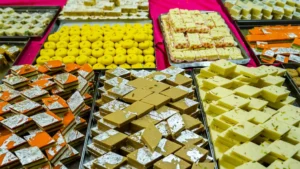
Not every festive sweet in Nepal is prepared at home. As Tihar approaches, traditional sweet shops, locally known as mithai pasal, become busy with people buying treats for relatives, guests and family celebrations.
Their displays often feature an assortment of sweets, including barfi, peda, laddu, rasbari and lalmohan.
Barfi is a milk-based sweet generally made using khuwa, which is milk slowly reduced until it becomes a thick solid. Sugar is added, and the mixture is cooked until it sets before being cut into squares or diamond-shaped pieces. Some varieties include nuts, coconut or other flavourings.
Peda is another popular milk-based sweet. It is prepared using khuwa and sugar, usually flavoured with cardamom. Its texture is soft and dense, and it is commonly shaped into small round pieces.
Laddu is a round sweet available in several varieties. Some are made using roasted gram flour, while others use semolina, coconut or other ingredients.
Rasbari consists of soft, spongy milk-based balls served in light sugar syrup. Lalmohan, also known as gulab jamun in other parts of South Asia, is a fried milk-based sweet soaked in flavoured sugar syrup.
Although these sweets are not exclusively Nepali and are enjoyed across South Asia, they have become familiar parts of Nepal’s festive food culture.
Buying an assorted box of mithai is also a common way of preparing for family visits and celebrations during Tihar.
Traditional Sweets of Nepal: Food, Family and the Spirit of Tihar
The traditional sweets of Nepal are interesting not only because of their ingredients and flavours, but also because of the occasions on which they are prepared and shared.
Tihar is a five-day festival with different rituals dedicated to animals, Goddess Laxmi and the relationship between brothers and sisters. Each day brings its own traditions, and food naturally finds its way into many of them.
One of the festival’s most recognisable activities is Deusi-Bhailo. Groups of people visit neighbourhood homes, singing traditional songs and performing dances. Households welcome them with food, sweets and other offerings. Sel roti is particularly familiar during these visits.
Bhai Tika brings another opportunity for sharing food. Sisters prepare festive arrangements for their brothers, which may include fruits, nuts, sweets and a special meal. The exchange of food accompanies the rituals and blessings shared between siblings.
The preparation of sweets is also a way for families to spend time together. Recipes are passed from one generation to another, and different households have their own preferences for ingredients, shapes and methods.
It is important to remember that Nepal does not have one single food tradition. The country is home to many ethnic communities, each with its own culinary heritage. What appears on a festive table in Kathmandu may differ from what a family prepares in the Terai or the hills.
This regional diversity is part of what makes Nepali food culture so fascinating.
Discover the Traditional Sweets of Nepal and Its Food Culture
For many international travellers, Nepal is synonymous with the Himalayas, trekking adventures and breathtaking mountain scenery. But there is another side of the country waiting to be explored through its festivals, communities and everyday traditions.
Visiting Nepal during Tihar offers an opportunity to experience this cultural side first-hand. You can see neighbourhoods illuminated with traditional lamps, listen to Deusi-Bhailo songs, visit local markets and discover the foods that make the festival special.
Perhaps you will try sel roti for the first time, discover the nutty flavour of anarsa or find a new favourite at a local mithai pasal.
These small experiences often become some of the most memorable parts of travelling. They offer a glimpse into how people celebrate, what they value and the traditions they continue to share.
After all, getting to know a country is not just about the places you visit. It is also about the flavours you discover and the stories behind them.
Exploring the traditional sweets of Nepal is another way to discover the country’s rich food culture. Whether it is freshly prepared sel roti, sesame-coated anarsa or the traditional lakhamari of the Kathmandu Valley, each delicacy offers a glimpse into the people, communities and traditions that make Nepal special.
If you are planning a visit to Nepal during Tihar, make sure you leave a little room to explore its festive food traditions.
Happy Tihar!
Also read: The Ultimate Nepali Festival Guide: Festivals of Nepal Throughout the Year
Related Blogs