
Tea Houses and Homestays in Nepal | The Complete Guide to Amazing Mountain Stays
Nepal’s high-altitude trails have drawn trekkers for decades, but the real magic of a Himalayan journey isn’t the summit view: it’s the warmth of a stranger’s kitchen, the crackle of a wood stove at 4,000 metres, and the taste of dal bhat prepared by someone who has lived their entire life among the peaks. Tea houses and homestays in Nepal offer something no luxury resort can replicate: genuine human connection in one of the most dramatic settings on Earth. Understanding Nepal’s lodging traditions, from teahouses to homestays, shapes the entire trekking experience, making it worth researching before your first trip.
The best nights you’ll spend in the Himalayas won’t involve thread counts or room service. They’ll involve sitting cross-legged on a wooden bench, sharing stories with fellow trekkers from six different countries, while your host refills your cup of sweet milk tea for the third time without being asked.
The Essence of Nepalese Mountain Hospitality
Defining the Tea House Trekking Culture
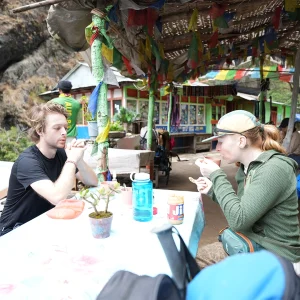
Tea houses, called Chiya pasal in Nepali, started as simple rest stops where porters and traders could grab a cup of chiya and a plate of rice between mountain passes. Over the past fifty years, they’ve evolved into a network of small lodges lining Nepal’s most popular trekking routes. By 2026, the Annapurna Circuit alone has over 500 registered tea houses, each one independently owned and operated by local families.
The concept is straightforward: you pay a modest fee for a basic room, and the lodge earns its real income from meals and drinks. This model keeps accommodation costs low on busy routes, while ensuring trekkers eat where they sleep. It’s a system that has sustained mountain communities economically for generations.
For many travellers, tea house trekking in Nepal is as much about the accommodation experience as it is about the trail itself.
The Rise of Community-Based Homestays
Homestays emerged as a more intimate alternative, particularly in regions where tea house infrastructure hasn’t been built. In many communities, local families open their homes to travellers, offering a chance to sleep in a family’s spare room and eat meals prepared in the household kitchen.
The model helps direct tourism income straight to host families, while some community-based programmes also contribute towards local projects such as school improvements and trail maintenance. Villages in Ghandruk, Sirubari, and along the Tamang Heritage Trail pioneered this approach in the early 2000s, and it has since spread to dozens of lesser-known settlements.
For travellers who want cultural immersion rather than just a bed, homestays offer a seat at the family table. A homestay in Nepal can turn an overnight stop into a genuine cultural experience.
Living in a Traditional Tea House
Accommodation Standards and Amenities
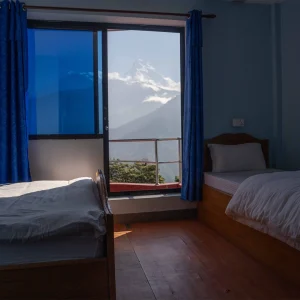
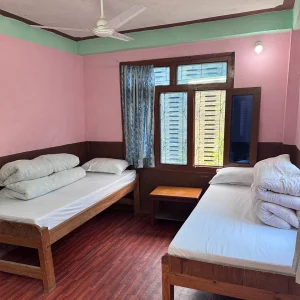
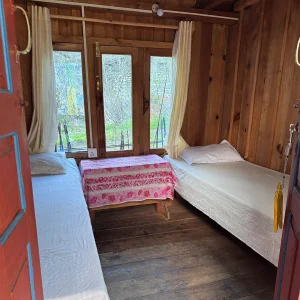
Expect simplicity. A standard tea house room contains two narrow beds with thin foam mattresses, a pillow, and sometimes a blanket. Walls are typically plywood or stone, and insulation ranges from minimal to nonexistent at higher elevations.
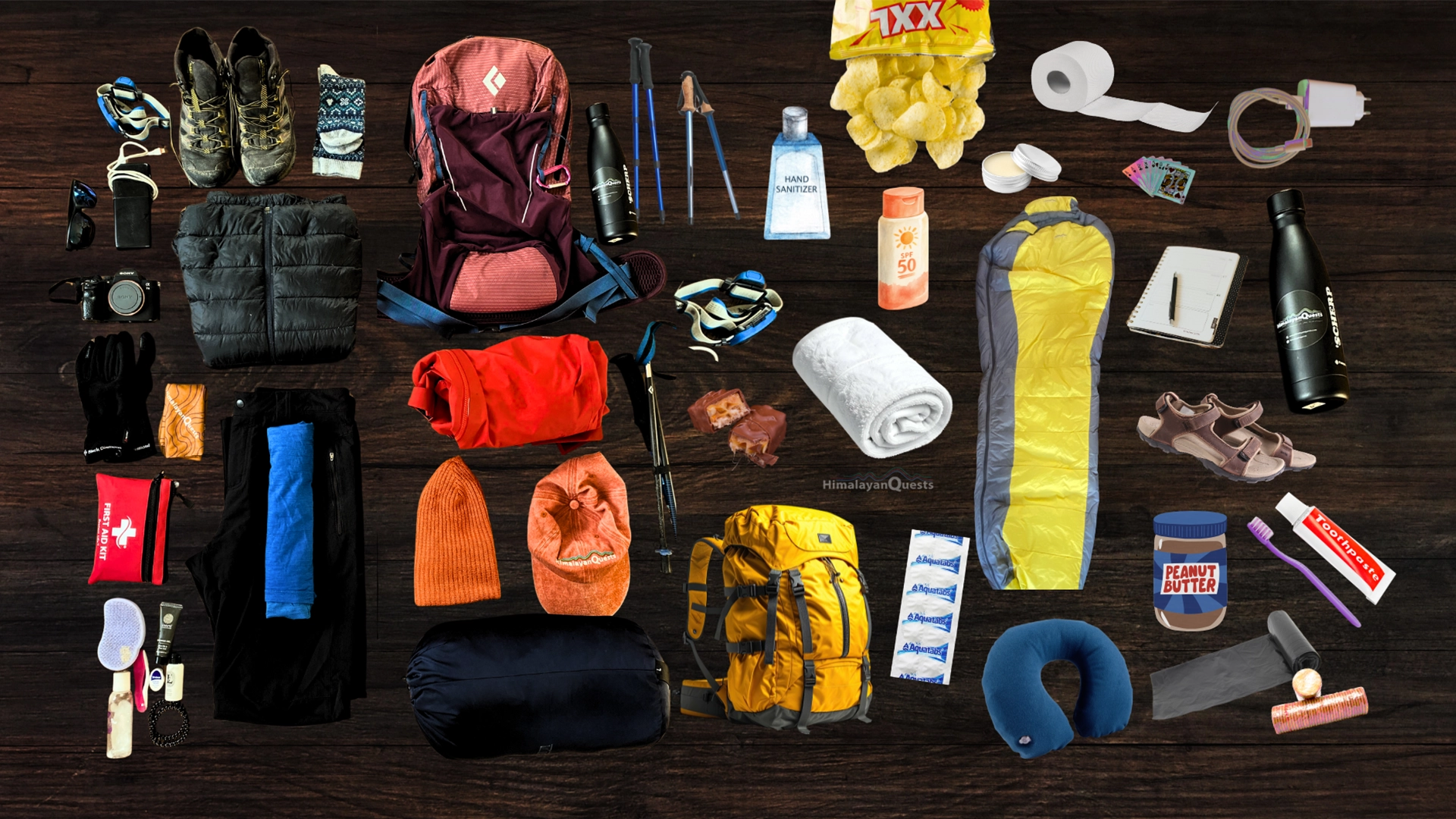
Above 3,500 metres, temperatures inside your room can drop below freezing at night, so carrying a sleeping bag rated to at least minus 15 degrees Celsius is essential. Shared squat toilets are the norm, though lodges on the Everest Base Camp and Annapurna routes increasingly offer Western-style toilets and even hot showers for an extra 300 to 500 rupees.
Electricity is available at most tea houses, but charging devices costs money: expect to pay 200 to 400 rupees per charge. Wi-Fi exists at lower elevations but becomes unreliable or unavailable above 3,000m.
This is what makes Nepal trekking accommodation different from a conventional hotel stay. Facilities vary considerably with altitude, location and the individual lodge.
The Communal Dining Hall Experience
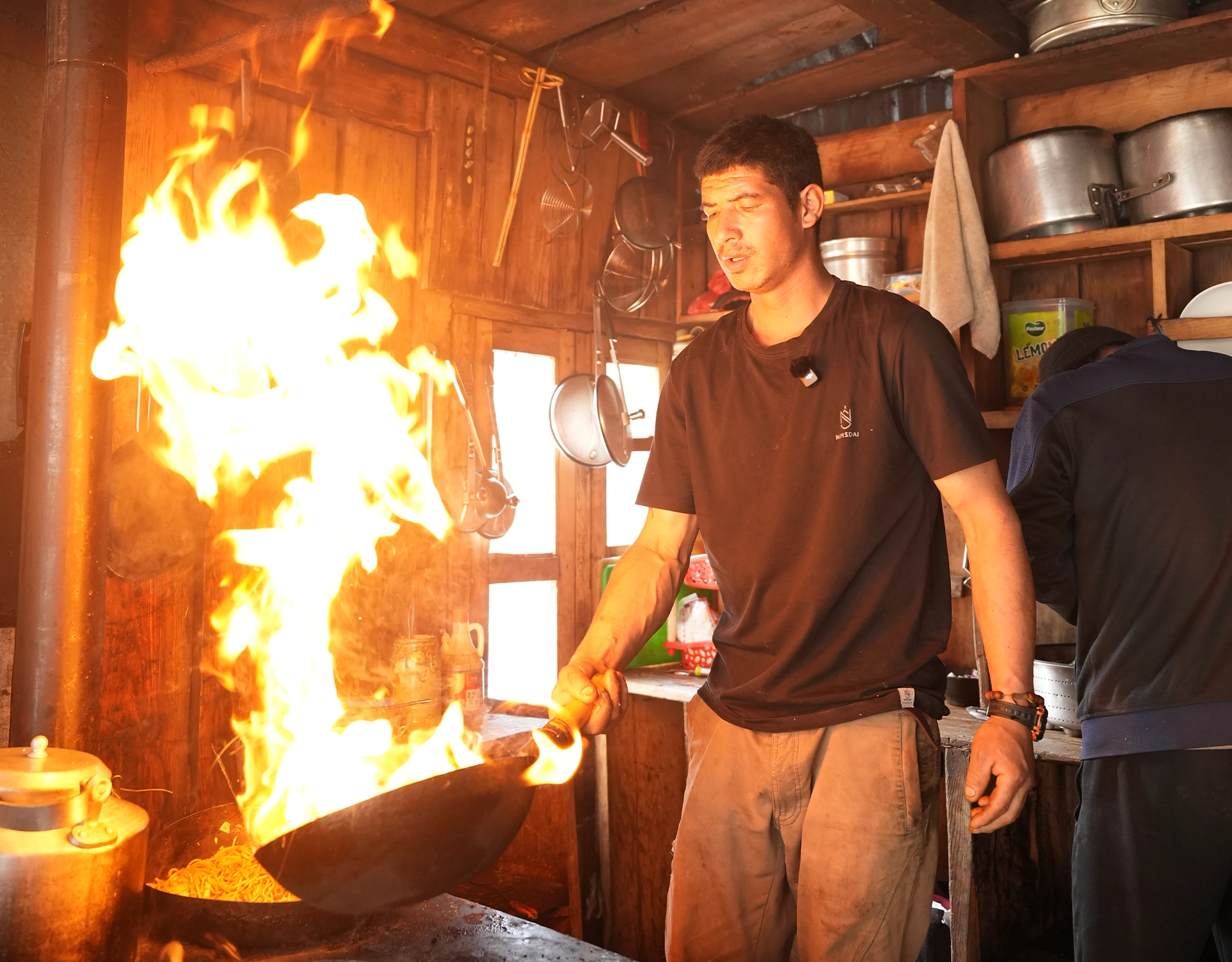
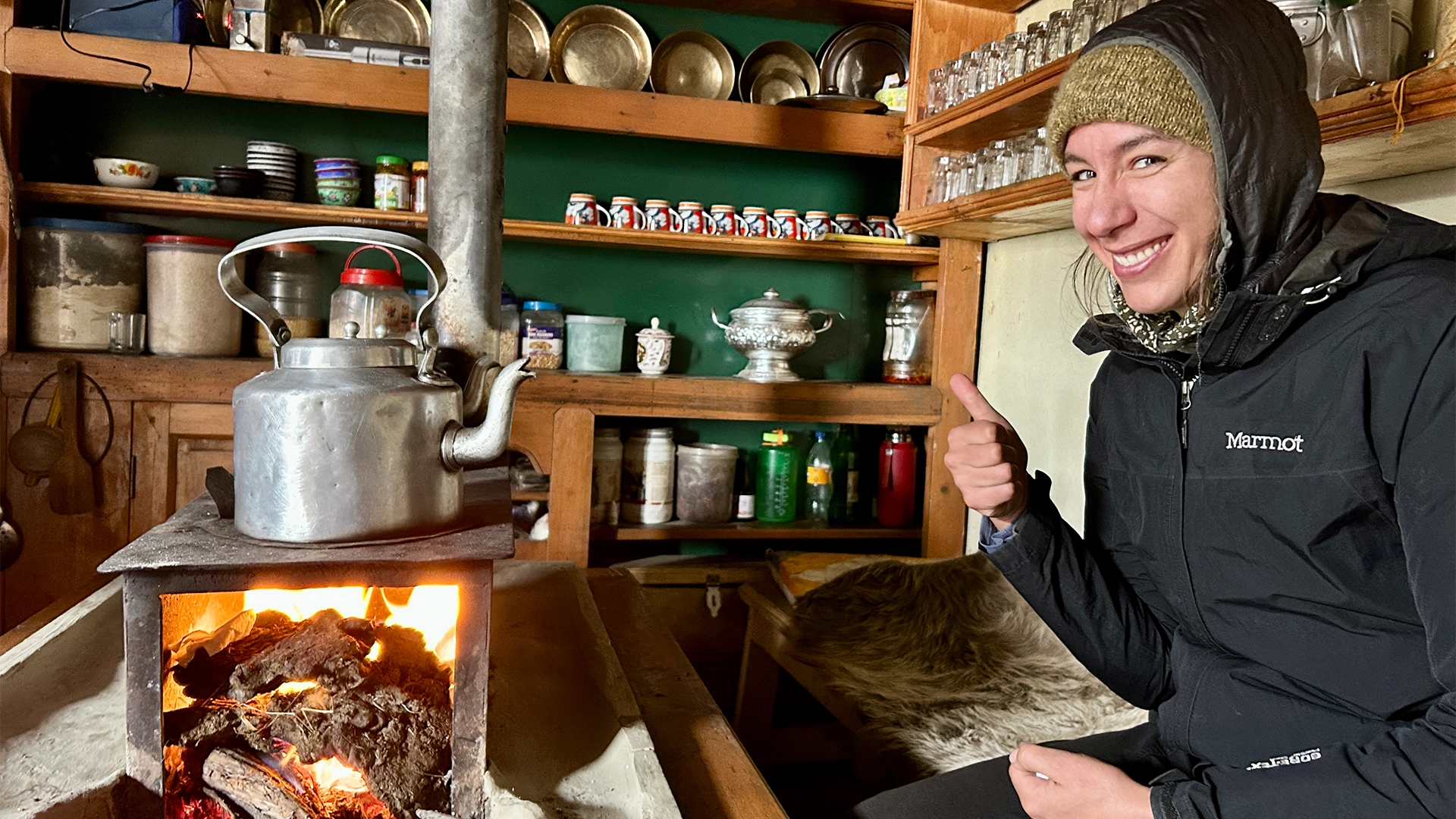
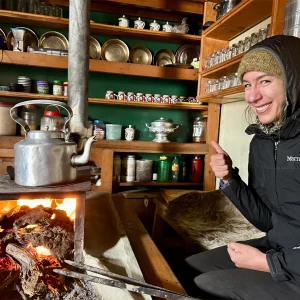
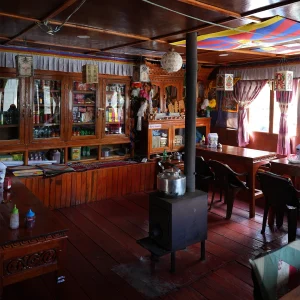
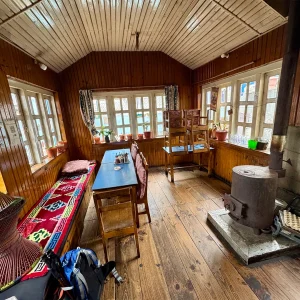
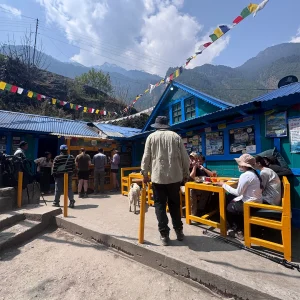
The dining hall is the heart of every tea house. A central wood or yak-dung stove heats the room, and trekkers gravitate toward it after a cold day on the trail.
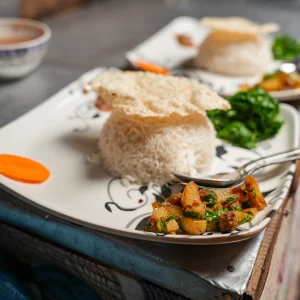
Menus are surprisingly extensive, listing everything from fried rice and momos to pancakes and instant noodles, though dal bhat remains the smartest choice: it’s the freshest option, it’s unlimited refills, and it fuels you better than anything else at altitude.
Prices increase with elevation. A plate of dal bhat that costs 400 rupees in Lukla might run 900 rupees in Gorak Shep.
The social atmosphere in these halls is something special. Card games break out, trekkers compare blisters, and guides share route updates. Some of the best friendships formed on a trek happen not on the trail itself but around that communal stove.
Immersive Cultural Exchange in Local Homestays
Participating in Daily Village Life
Staying in a homestay means your schedule aligns with the family’s rhythm. Mornings often start early, around 5:30 or 6:00 a.m., with the sound of someone grinding spices or feeding livestock.
Guests are usually welcome to help with daily tasks: harvesting vegetables, feeding goats, or walking to the local water source. In Gurung and Tamang villages, hosts might invite you to observe or participate in prayer rituals, weaving, or the preparation of traditional local foods.
These aren’t staged cultural performances. They’re ordinary Tuesday mornings for your hosts, and that’s precisely what makes them meaningful. Children practise their English with you over breakfast, grandmothers teach you to roll out sel roti dough, and by the second evening, you stop feeling like a tourist and start feeling like a guest.
Authentic Home-Cooked Cuisine
Forget the laminated menus of tea house dining halls. Homestay meals are whatever the family eats, and that’s the whole point.
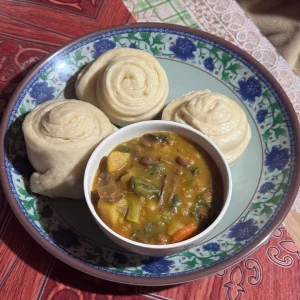
In the mid-hills, expect dal bhat with seasonal vegetables, achar pickles, and sometimes goat or chicken curry. In Sherpa communities at higher elevations, you’ll encounter thukpa noodle soup, tingmo steamed bread, and butter tea.
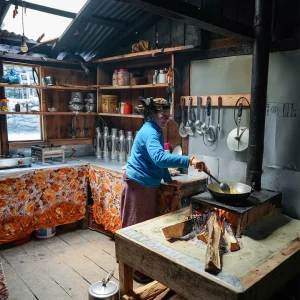
Meals are prepared on open hearths or simple gas stoves, and the ingredients are almost always locally sourced: greens from the kitchen garden, rice from the family’s paddy, eggs from chickens scratching around the yard.
The food is honest and filling. Most homestay programmes charge between 1,500 and 2,500 rupees per night for full board, which includes dinner, breakfast, and often an afternoon tea.
That money goes directly to the family preparing your meal, making it one of the most ethical ways to spend your trekking budget.
Regional Variations Across the Himalayas
The Solu-Khumbu and Annapurna Circuits
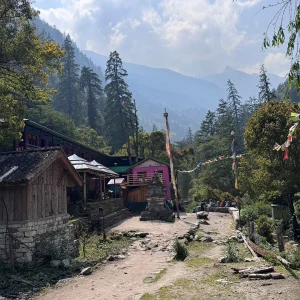
These two regions represent some of Nepal’s most developed tea house infrastructure. The Everest Base Camp trek through Solu-Khumbu sees over 50,000 trekkers annually, and lodges along the route have responded with higher standards: attached bathrooms, bakeries selling fresh cinnamon rolls, and even espresso machines in Namche Bazaar.
The trade-off is congestion. During peak season in October and November, popular stops like Tengboche and Dingboche fill up fast, and you may need to arrive by early afternoon to secure a room.
The Annapurna Circuit is slightly less crowded since the road extension reduced foot traffic on certain segments, but Thorong La pass crossings still create bottleneck points at Manang and Muktinath.
If you want the classic tea house trekking experience with reliable facilities, these routes deliver. Just don’t expect solitude.
Off-the-Beaten-Path Stays in Langtang and Manaslu
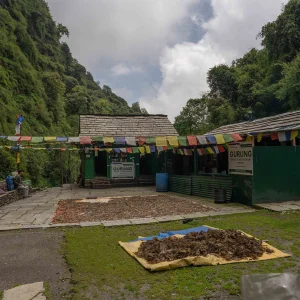
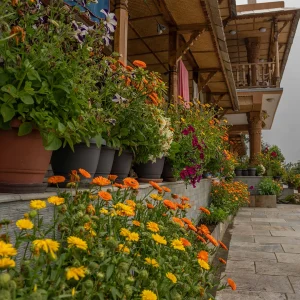
For travellers who’ve read enough about tea houses and homestays in Nepal to know the popular routes aren’t for them, Langtang and Manaslu offer a compelling alternative.
The Langtang Valley, devastated by the 2015 earthquake and rebuilt with remarkable community resilience, now features small, family-run lodges that feel closer to homestays than commercial tea houses. Rooms are basic but the hospitality is intense: hosts remember your name, your dietary preferences, and which peak you wanted to photograph at sunrise.
But the cultural immersion in Nubri and Tsum Valley, where Tibetan Buddhist traditions remain deeply intact, is unmatched anywhere else in Nepal’s trekking regions.
Practical Considerations for Travellers
Booking Logistics and Seasonal Availability
On the Everest and Annapurna routes during peak season, booking ahead through your trekking agency is wise, especially for popular stops like Ghorepani or Namche.
In the off-season, from December through February and during monsoon months from June through August, many tea houses at higher elevations close entirely. Homestays typically operate year-round but require advance coordination through community networks or local tourism offices.
If you’re planning Nepal trekking accommodation in advance, it’s worth considering both the trekking season and the specific route you’re travelling.
Etiquette and Sustainable Tourism Practices
Respecting your hosts isn’t complicated, but a few norms matter. Remove shoes before entering a homestay’s living quarters. Accept food and drinks with your right hand or both hands. Ask before photographing people, especially elders and children.
Carry your own waste out of remote areas where disposal infrastructure doesn’t exist, and avoid single-use plastic bottles by using purification tablets or water-purification options.
Tipping tea house staff is appreciated but not obligatory. The principle is simple: leave your host’s home and community better than you found it, or at least no worse.
The Future of Sustainable Lodging in Nepal
Nepal’s tea house and homestay systems face real pressures in 2026. Climate change is shifting trekking seasons, with warmer winters extending the viable window but also accelerating glacial melt that threatens water supplies at high-altitude lodges.
The government’s push to increase annual tourist arrivals to 2.5 million by 2030 risks overwhelming fragile mountain ecosystems if infrastructure doesn’t keep pace.
But there’s a genuine reason for optimism. Solar panel adoption at tea houses above 4,000 metres has tripled since 2022, reducing reliance on kerosene and firewood. Community homestay cooperatives are giving villages economic alternatives to urban migration, keeping young people in their home regions.
The best thing you can do as a traveller is choose these locally owned options over international hotel chains expanding into gateway towns. Stay in the tea house. Eat the dal bhat. Sleep in the spare room of a family that has called the Himalayas home for centuries.
Your money stays local, your experience stays real, and Nepal’s mountain hospitality traditions survive for the next generation of trekkers to discover.
Related Blogs