
Tailor-made wildlife adventures featuring jeep safaris, nature walks, birdwatching, canoe trips and cultural experiences in Nepal's most celebrated national parks and conservation areas
At Himalayan Quests, our jungle safari tours are designed to provide meaningful encounters with Nepal’s extraordinary natural heritage while supporting responsible and sustainable tourism practices. Whether you are a dedicated wildlife enthusiast, keen photographer, birdwatcher or simply looking to experience a different side of Nepal, we can create a jungle safari experience tailored to your interests.
Our wildlife journeys focus primarily on Nepal’s premier national parks, including Chitwan National Park, Bardiya National Park and Shuklaphant National Park. Each offers distinct ecosystems, landscapes and wildlife-viewing opportunities. Activities may include jeep safaris, guided nature walks, canoe trips, birdwatching excursions, cultural visits to local communities and time with experienced naturalist guides who help bring the landscape and its wildlife to life.
Many travellers choose to combine their wildlife experience with cultural activities, village stays, heritage tours or Himalayan trekking adventures. Whether you are seeking a short wildlife extension, a dedicated nature-focused holiday or a tailor-made itinerary combining wildlife, culture and adventure, we can design a journey around your interests, timeframe and travel style.
From searching for one-horned rhinoceros and Bengal tigers to discovering Nepal’s remarkable birdlife, these experiences offer a different perspective on the country’s natural heritage. The experiences featured below are examples of what is possible, with each journey designed to create a more meaningful and responsible connection with Nepal’s wildlife and landscapes.
Everything you need to know at a glance before your Jungle Safari Tour.


Chitwan National Park
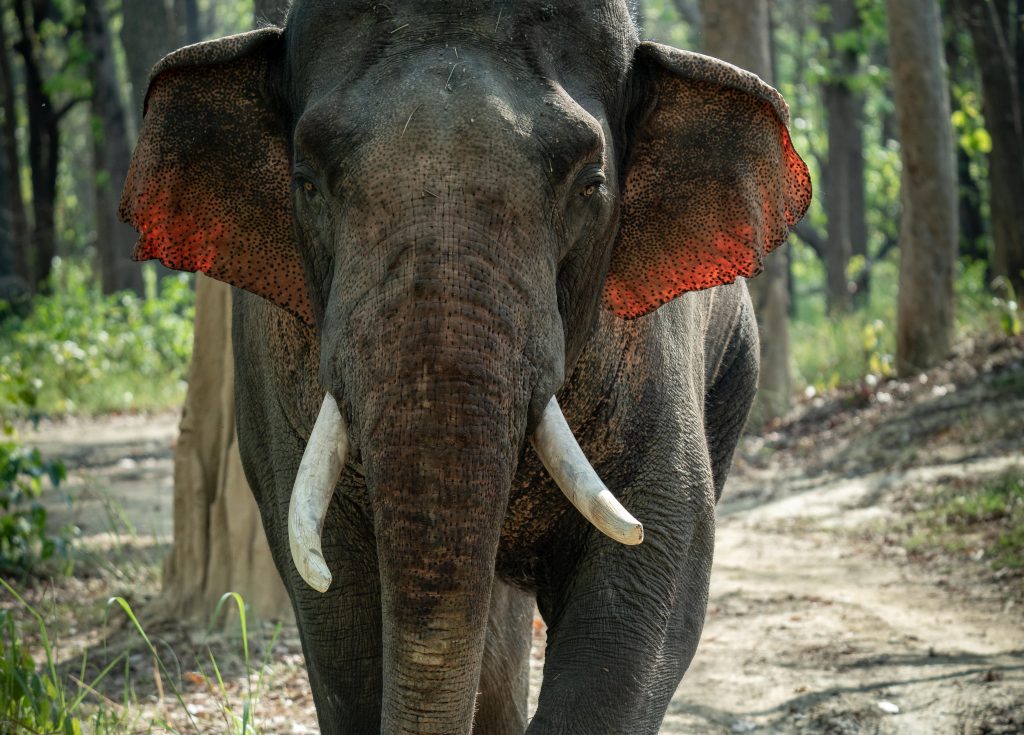
Chitwan National Park is Nepal’s first and most renowned national park and remains the country’s leading wildlife destination. Located in the subtropical lowlands of southern Nepal, approximately five hours by road or a short flight from Kathmandu, the park was established in 1973 and designated a UNESCO World Heritage Site in 1984.
Covering an area of 932 square kilometres, Chitwan protects an extraordinary landscape of Sal forests, riverine woodlands, wetlands and grasslands nourished by the Narayani, Rapti and Reu rivers. These diverse habitats support an impressive variety of wildlife and have made Chitwan one of the most successful conservation areas in Asia.
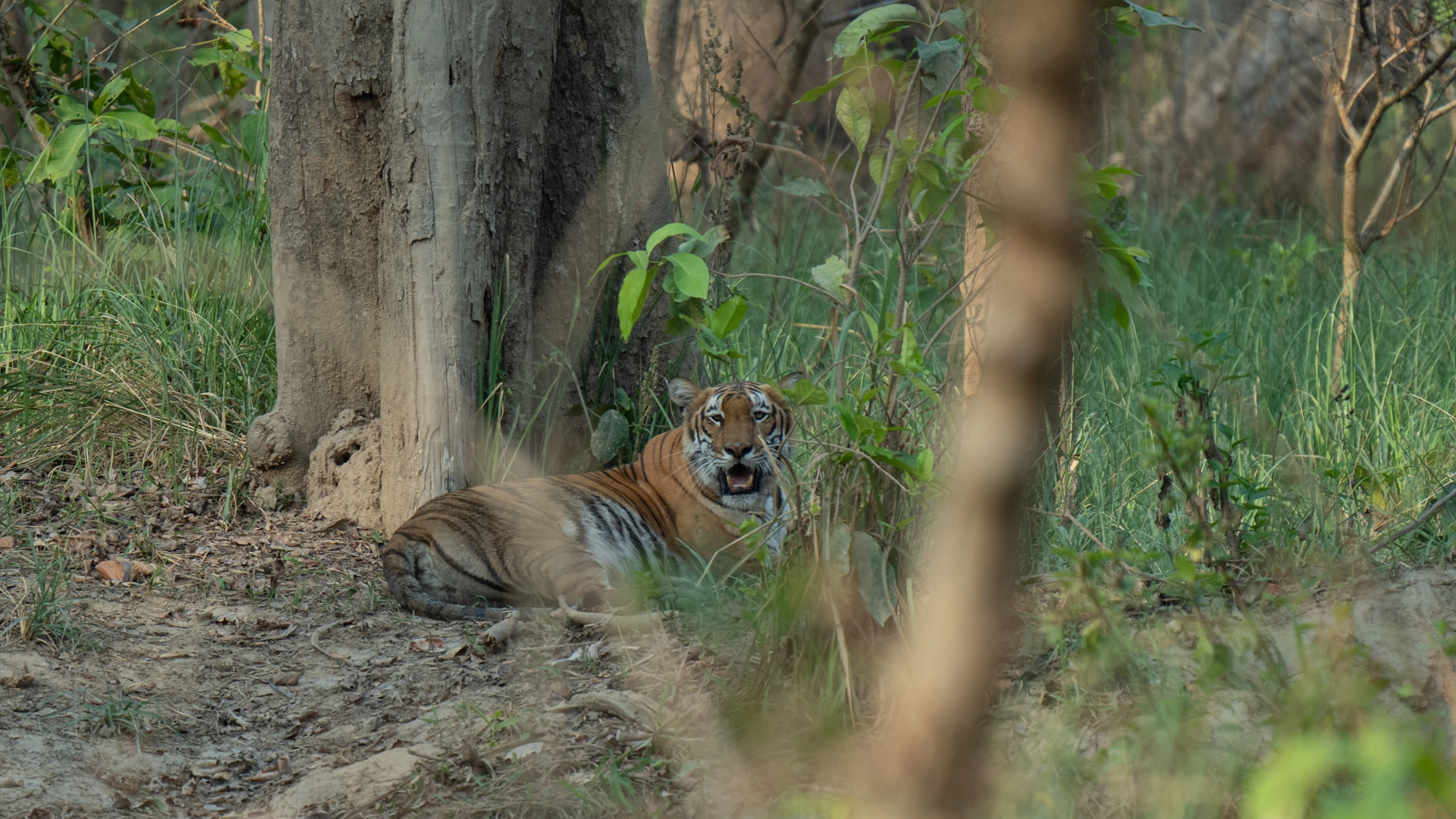
The park is best known for its thriving populations of the endangered Greater One-Horned Rhinoceros and Royal Bengal Tiger. Other notable species include leopards, sloth bears, wild elephants, striped hyenas, wild bison, Gharial Crocodiles, Marsh Mugger Crocodiles and the rare Gangetic River Dolphin. Chitwan is also a world-class birdwatching destination, with more than 500 recorded bird species.
The gateway to the park is Sauraha, a vibrant tourism hub offering everything from comfortable lodges to luxury jungle resorts. Visitors can choose from a wide range of activities including jeep safaris, guided jungle walks, canoe trips, birdwatching excursions, cycling tours and visits to traditional Tharu villages. Cultural performances, riverside sunsets and close encounters with wildlife make Chitwan National Park one of Nepal’s most rewarding travel experiences.
Bardiya National Park
For travellers seeking a more remote and immersive wilderness experience, Bardiya National Park offers Nepal’s most pristine jungle safari destination. Located on the eastern banks of the Karnali River in western Nepal, approximately 400 kilometres from Kathmandu, Bardiya is the largest and least disturbed protected area in the Terai.
Dominated by dense Sal forests, vast grasslands and river ecosystems, the park provides ideal habitat for an incredible variety of wildlife. Its relative isolation and lower visitor numbers make it one of the best places in Nepal to experience nature in its purest form.
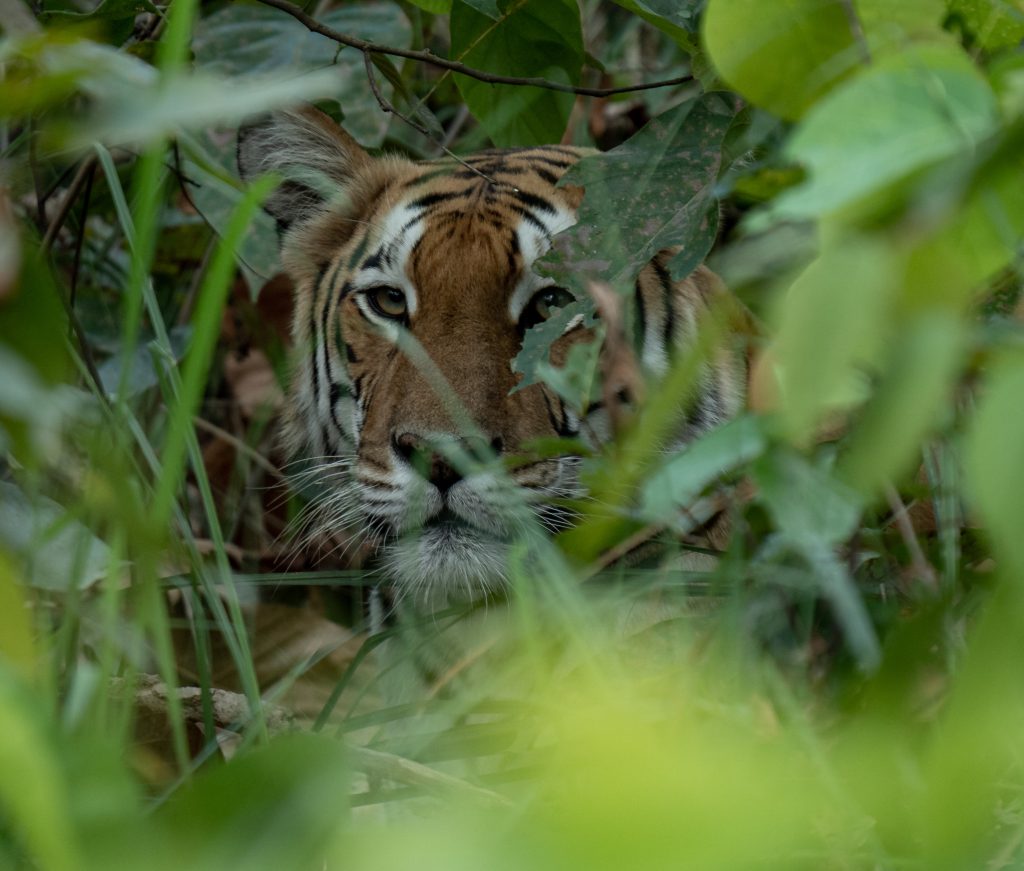
Bardiya is widely regarded as one of the country’s top locations for spotting the elusive Royal Bengal Tiger. Visitors may also encounter Greater One-Horned Rhinoceros, swamp deer, leopards, jungle cats, sloth bears, Nilgai, wild elephants, Langur monkeys, Gangetic River Dolphins and both Gharial and Mugger crocodiles. The park is also home to hundreds of bird species, making it a paradise for birdwatchers and wildlife photographers.
The main tourism area is centred around the peaceful village of Thakudwara, where visitors can enjoy a quieter and more authentic jungle experience than that found in larger tourism centres. Activities include jeep safaris, guided jungle walks, canoe trips, birdwatching, wildlife tracking, dolphin spotting and visits to local Tharu communities.
With its untouched wilderness, outstanding wildlife viewing and tranquil atmosphere, Bardiya National Park offers one of Nepal’s most rewarding and authentic safari experiences.

Shuklaphanta National Park
Located in the far western Terai of Nepal, Shuklaphanta National Park is one of the country’s most underrated wildlife destinations. Covering 305 square kilometres, the park is renowned for its vast open grasslands, dense Sal forests, wetlands and rich biodiversity. Unlike the more frequently visited parks of Chitwan and Bardiya, Shuklaphanta offers a quieter and more exclusive safari experience, making it ideal for travellers seeking wilderness away from the crowds.
The park is home to an impressive variety of wildlife, including Royal Bengal Tigers, Asian Elephants, Leopards, Swamp Deer, Wild Boar, Hispid Hares and over 450 species of birds. Shuklaphanta is particularly famous for supporting the world’s largest population of Swamp Deer (Barasingha), with herds numbering in the thousands grazing across its expansive grasslands.
One of the park’s most iconic features is the Shuklaphanta Grassland, one of the largest continuous grasslands in Nepal. These open plains provide exceptional wildlife viewing opportunities, particularly during the early morning and late afternoon when animals emerge to feed.
The park is also a paradise for birdwatchers. Its diverse habitats attract both resident and migratory species, including Bengal Floricans, Sarus Cranes, Black-Necked Storks and numerous species of raptors, waterfowl and grassland birds.
Visitors can explore the park through jeep safaris, guided nature walks, birdwatching excursions and visits to nearby Tharu communities, offering a fascinating combination of wildlife, culture and conservation. For those looking to discover a lesser-known side of Nepal’s natural heritage, Shuklaphanta National Park provides an authentic and rewarding wilderness experience.
Similar Trips

Trip Photo Stories


FAQs for Jungle Safari Tour
Where can I go on a jungle safari in Nepal?
Chitwan National Park is Nepal’s most popular safari destination, while Bardia National Park offers a more remote and quieter wildlife experience. Other protected areas also offer wildlife-watching opportunities.
What animals can I see on a jungle safari in Nepal?
Depending on the destination and season, you may encounter one-horned rhinoceros, Bengal tigers, wild elephants, sloth bears, crocodiles, deer, wild water buffaloes and a wide variety of birds.
What is the best time for a jungle safari in Nepal?
The cooler and drier months from October to March are generally considered particularly good for wildlife viewing. However, each season offers a different experience.
Do you offer ethical wildlife experiences?
Yes. We believe wildlife should be observed in their natural habitats without causing unnecessary disturbance. We do not support activities that exploit captive or wild animals for entertainment
How many days do I need for a jungle safari?
A two- to three-day safari can provide a good introduction to Nepal’s wildlife, while longer stays allow more time for different activities and wildlife encounters.
Are jungle safaris suitable for children?
Yes. Jungle safaris can be a great family experience, although activities should be selected according to the children’s age and the destination’s safety guidelines.








 7N/8D Days
 Easy/Moderate
 Upper Mustang Region