
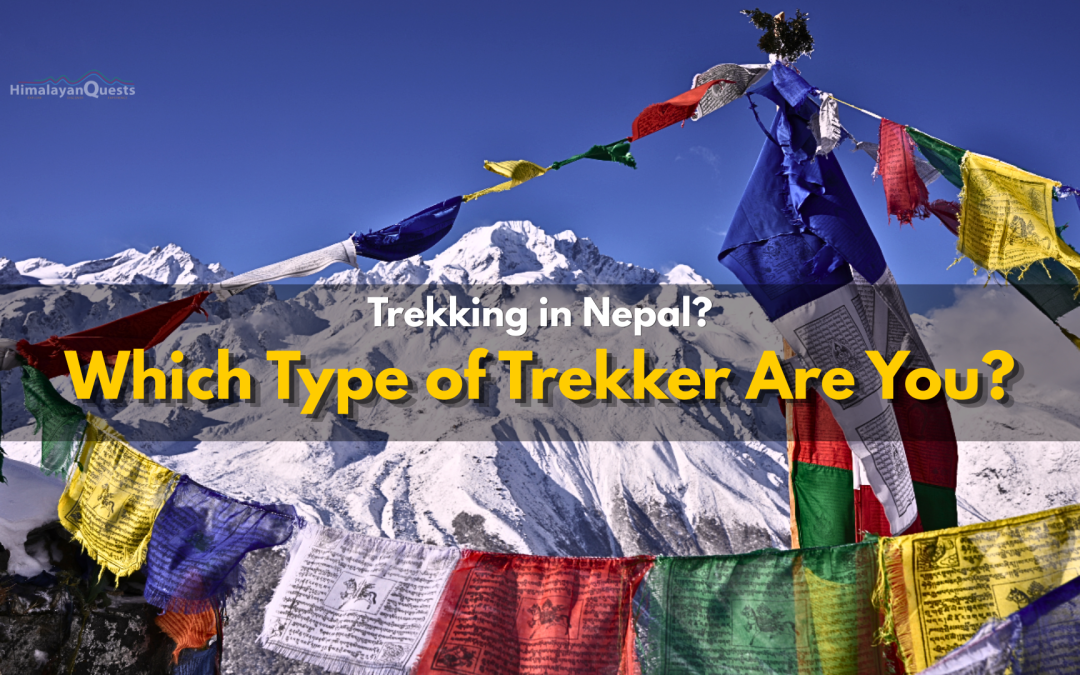
Ask ten people about trekking in Nepal, and you’ll get ten completely different stories.
For some, it’s comfort framed by mountain views. For others, it’s remote silence, long climbs, or deep cultural immersion. The Himalayas don’t deliver a single type of journey; they reflect the person walking through them. That’s why choosing a trek isn’t just about altitude or duration. It’s about understanding how you travel.
We’ve seen clear patterns emerge over years of guiding travellers through Nepal. Not rigid categories but natural tendencies. Ways of experiencing the mountains that shape everything from expectations to enjoyment.
And this is where it really matters.
Most trekking regrets don’t come from the trail. They come from mismatch.
- Expecting comfort on a rugged route
- Wanting solitude on a busy trail
- Choosing difficulty without understanding altitude impact
- Or missing cultural depth because the focus was only on distance
When your trek matches your personality, everything changes.
So instead of asking “Where should I trek?”, a better question is:
“What kind of trekker are you?”
Let’s break it down.
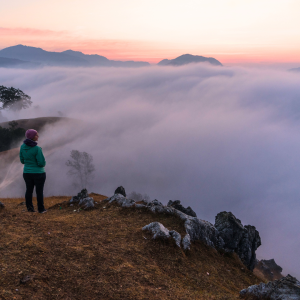
1. The Soft Adventurer: Comfort with a View
The Soft Adventurer is not here to suffer. They are here to experience the Himalayas in a way that feels rewarding, not punishing. They love the idea of trekking: the landscapes, the air, the rhythm of walking but they also value comfort, balance and rest. This is not about avoiding challenge. It’s about choosing the right amount of it.
You might be a Soft Adventurer if you:
- Enjoy scenic trails but prefer manageable daily distances
- Care about comfortable lodges and good meals
- Want stunning views without extreme physical strain
- Travel for experience, not endurance
The experience you’re looking for:
Well-paced treks with strong infrastructure, flexible itineraries, and time to actually enjoy the journey not just complete it.
2. The Offbeat Seeker: Away from the Obvious
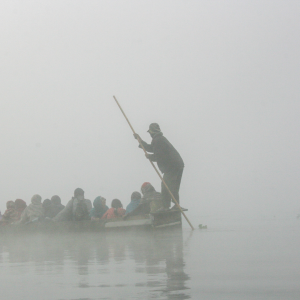
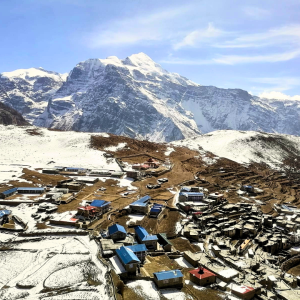
The Offbeat Seeker doesn’t just want trekking in Nepal, they want the Nepal that feels undiscovered. Crowded trails feel like noise. What they’re really searching for is space: physical, visual, and emotional. This is where Nepal becomes something different: raw, unpredictable and deeply personal.
You might be an Offbeat Seeker if you:
- Actively avoid popular trekking routes
- Prefer remote, less-commercialised regions
- Enjoy uncertainty and spontaneity on the trail
- Value authenticity over comfort
The experience you’re looking for:
Lesser-known valleys, restricted regions, and trails where the journey feels untouched and unfiltered.
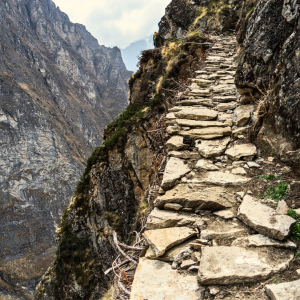
3. The Culture-First Traveller: The Journey Is the People
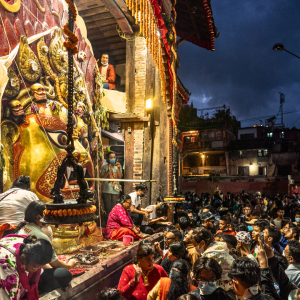
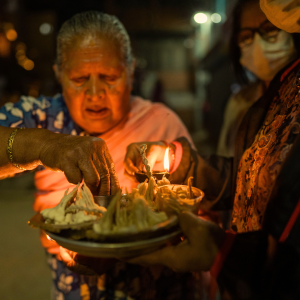
For the Culture-First Traveller, trekking is not the main event. It’s the backdrop. The real experience lies in the rhythm of village life, conversations with locals, monastery visits, food shared along the way, and stories that don’t appear on maps. Altitude matters less than understanding.
You might be a Culture-First Traveller if you:
- Prioritise cultural immersion over physical challenge
- Enjoy meeting local communities and learning traditions
- Prefer slower, more reflective travel
- Value storytelling and lived experience
The experience you’re looking for:
Cultural routes, village trails, and journeys where interaction is as important as scenery.
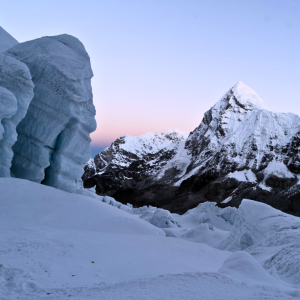
4. The High-Altitude Trekker: Where Limits Are Tested
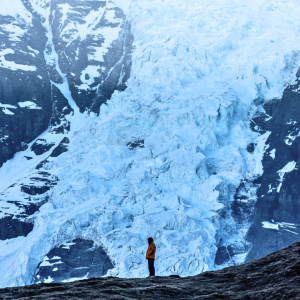
The High-Altitude Explorer is drawn to what lies above comfort zones. This is the traveller who feels most alive when the air gets thinner, the climbs get steeper, and the landscape becomes more demanding. Trekking in Nepal becomes less about the destination and more about the challenge, the progression and the quiet satisfaction of earning every step at altitude.
You might be a High-Altitude Explorer if you:
- Actively seek challenging, high-elevation routes
- Are comfortable with long trekking days
- Embrace discomfort as part of the experience
- Are motivated by achievement and endurance
The experience you’re looking for:
High passes, remote mountain crossings, and longer expeditions where the reward is earned.
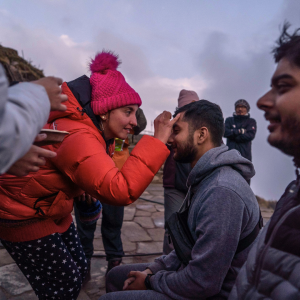
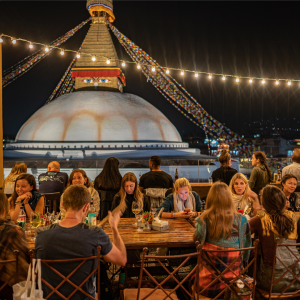
5. The Social Trekker: Shared Mountains, Shared Memories
You might be a Social Trekker if you:
- Prefer group experiences over solo travel
- Enjoy meeting new people on the trail
- Feel energised by shared challenges
- Value interaction as much as scenery
The experience you’re looking for:
Guided group treks where connection, safety and shared storytelling shape the journey.
Of Course, No One Fits Into Just One Category
Here’s the reality: very few people fit into a single category.
You might lean towards comfort on most days, but still feel the pull of a quieter, offbeat trail. Or you could be deeply interested in culture, yet find yourself drawn to the occasional high-altitude challenge.
Your trekking style isn’t fixed. It shifts with your energy, your curiosity and even the kind of experience you’re seeking at that moment.
And that’s where Nepal stands out. Few places offer this level of flexibility where a journey can be shaped around you, rather than the other way around.
The goal is to understand what combination feels right and build your trek around that.
Find Your Version of the Himalayas: Trekking in Nepal
There is no single way to experience Nepal and that’s exactly what makes it powerful. The same mountains can feel like comfort, challenge, silence, connection, or all of it at once, depending on who is walking through them.
And maybe that’s the real takeaway here.
You’re not choosing a trek just for the route. You’re choosing how you want to feel while you’re in it. If you’re unsure where you fit, that’s completely normal. Most people are still figuring it out and many only realise it once they’re already on the trail. That’s exactly why understanding your trekking style matters before you choose a route.
At Himalayan Quests, we focus on aligning people with experiences that match how they want to travel the Himalayas, whether that’s comfort, challenge, culture, solitude or connection.
Because the right trek isn’t just about where you go. It’s about how well it fits you from the very beginning.
Also read: Nepal, Season by Season: Adventures with Himalayan Quests
Recent Comments