
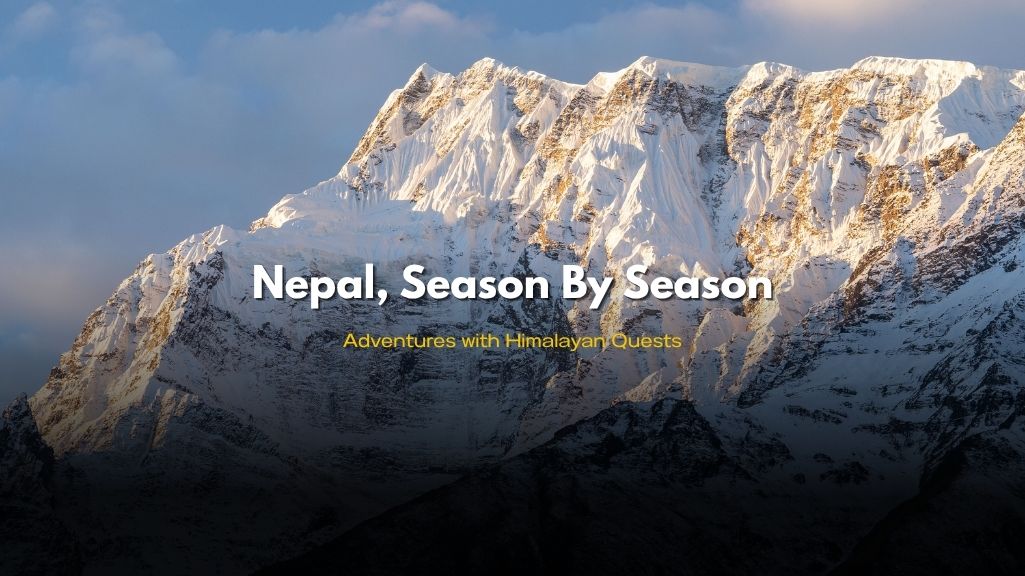
Every season transforms Nepal into a completely different experience. From spring trails bursting with rhododendron blooms to winter landscapes dusted in snow, the country changes with the rhythm of nature; shaping its adventures, landscapes, wildlife, and culture throughout the year. Choosing the best time to visit Nepal depends on the kind of journey you seek, whether it’s high-altitude trekking, wildlife encounters, cultural immersion, or peaceful mountain escapes.
But Nepal’s seasons are not only reflected in its landscapes. Many of the country’s festivals and traditions are deeply connected to agricultural cycles, changing weather, and spiritual beliefs tied to nature itself. From colourful spring celebrations to autumn’s grand festivals and winter rituals in the Himalayas, every season offers a chance to experience Nepal’s culture in harmony with the land and its people.
Here’s how each season in Nepal shapes a different kind of adventure waiting to be experienced.
Best time to visit Nepal by Seasons
Spring (March – May): Blooming Trails and Stunning Views
Spring is the season which is considered one of the best time to visit Nepal. It’s when Nepal comes alive with vibrant colours and moderate temperatures, perfect for trekking and exploration.
Top Adventures:
- Everest Base Camp Trek: Witness Everest and surrounding Himalayan giants.
- Manaslu Trek or Manaslu Circuit Trek: Remote trails with stunning landscapes and Himalayan communities.
- Annapurna Circuit or Base Camp Trek: Trek through rhododendron forests, terraced fields, and local villages.
- Langtang Valley Trek: Serene valleys with panoramic mountain views along the Langtang River.
All treks are perfect for this season. Check the ‘Treks’ and ‘Alternative Quests’ sections above for all options.
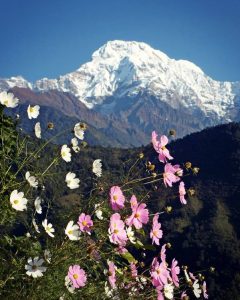
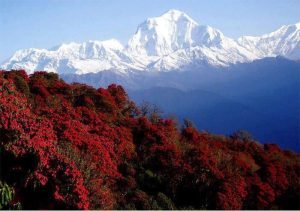
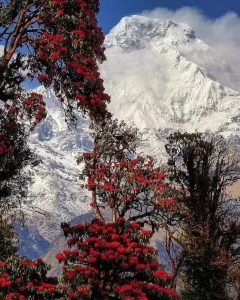
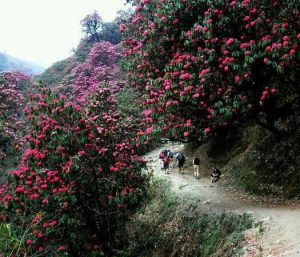
Why Spring?
- Clear skies and moderate temperatures make trekking safe and comfortable.
- Rhododendrons bloom across trails, creating a magical floral landscape.
- Longer daylight hours allow more time for exploration and photography.
- Perfect season for both classic routes and offbeat treks.
- Wildlife activity increases, making it great for jungle safaris and birdwatching add-ons.
Festival Highlights:
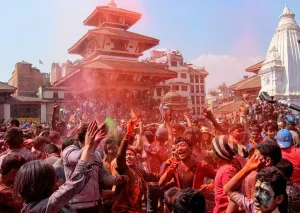
- Holi: Festival of colours, widely celebrated in Kathmandu Valley and across Nepal.
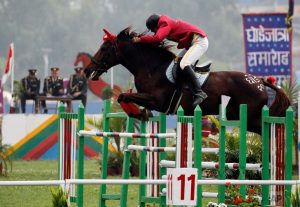
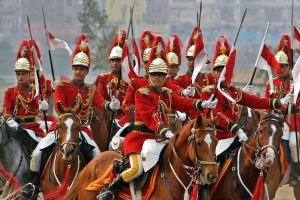
- Ghode Jatra: Horse festival, mainly in Tundikhel, Kathmandu, celebrated by the local Newari people.
- Nepali New Year: Celebrated with local customs all over Nepal.
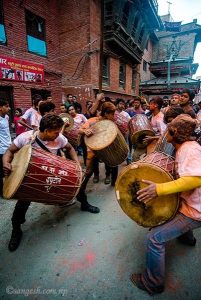
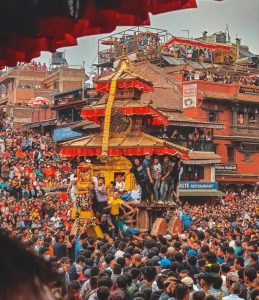
- Biska Jatra (Bhaktapur): Chariot pulling festival marking the New Year in Bhaktapur.

Our Expert Advice:
- Handpicked accommodations and curated itinerary offer an authentic Nepali experience.
- Expert guides ensure cultural immersion while maintaining safety and comfort.
Summer (June – August): Monsoon Adventures with Honest Advice
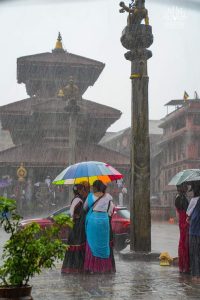
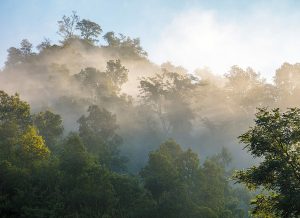
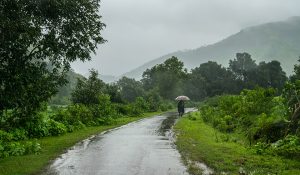
Monsoon in Nepal can be unpredictable, and natural hazards like landslides and floods make trekking riskier, which is why many travellers avoid monsoon treks and we fully support that choice. Yet, like every season in Nepal, monsoon has its own magic: lush green landscapes, misty hills, roaring rivers, and a chance to experience the country’s vibrant culture and nature in a quieter, more intimate way.

Top Adventures:
- Short Excursions: Lower-elevation day hikes in Nagarkot, Dhulikhel, or Godavari Botanical Garden offer serene escapes with panoramic views.
- River & Adventure Activities: Thrill-seekers can ride the monsoon-fed rapids on Trishuli, Bhote Koshi, or Seti rivers through rafting, kayaking, or canyoning. Zip-lining and other adventure activities in Pokhara and surrounding valleys add extra adventure.
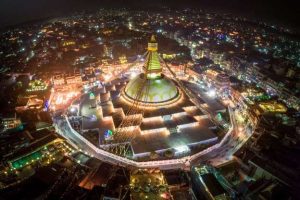
- Cultural & Heritage Tours: Explore the rich heritage of Kathmandu Valley’s UNESCO sites; Pashupatinath, Boudhanath, Patan, and Bhaktapur or dive into local village life with traditional crafts, homestays, and seasonal festivals.
Why Monsoon?
- The landscape becomes lush and vibrant, with waterfalls and flowing rivers at their peak.
- Less crowded trails make for a more intimate adventure experience (but with equal risks).
- Monsoon season brings opportunities to witness village life and traditional crafts.
- Engage with locals and learn about monsoon traditions and agriculture.
Festival Highlights:
- Ropain / Rice Planting Festival: Observed in rural areas and some traditions in Kathmandu.
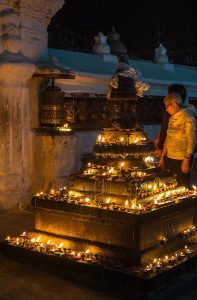
- Buddha Jayanti: Celebrates the birth, enlightenment, and death of Lord Buddha; Pashupatinath and Swayambhunath are key spots.
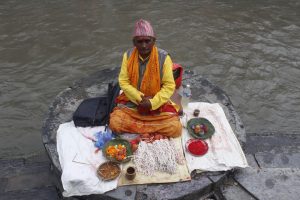
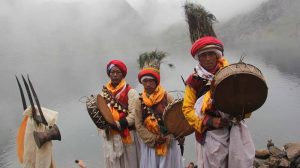
- Janai Purnima / Raksha Bandhan: Thread-changing ritual for Hindu men and brothers-sisters festival. Shamanic rituals in Himalayan regions.


Our Expert Advice:
While the monsoon season brings lush landscapes and vibrant greenery, it also comes with higher risks. Heavy rains can trigger landslides, floods, and road blockages, making trekking unsafe. At Himalayan Quests, we prioritise safety above all, which is why we do not recommend treks during this season.
That said, the monsoon is perfect for other experiences. Cultural tours, village immersions, wildlife spotting, and rafting adventures can still be enjoyed safely, offering travellers a chance to connect with Nepal’s rich heritage and natural beauty without the hazards of high-altitude trekking.
Fall (September – November): Peak Trekking Season
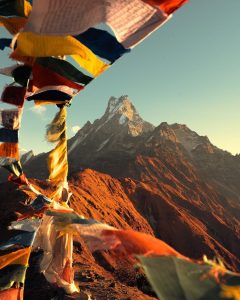
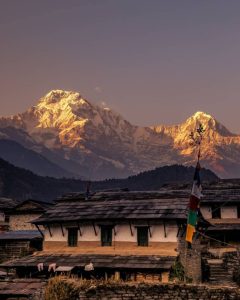
Fall is another best time to visit Nepal. It is the most popular trekking season, and for good reasons: crystal-clear skies with majestic mountain views, perfect weather, and festive energy.
Top Adventures:
- Mardi Himal Trek: Trails with incredible mountain vistas, ridge walk, route through deep old jungle.
- Manaslu Circuit Trek: A challenging trek through remote, less explored, off-beaten trail with stunning landscapes.
- Annapurna Base Camp and/or Annapurna Circuit Trek: Iconic trek combining natural beauty and cultural richness.
- Everest Base Camp Trek: This one is always an epic adventure.
ALL treks are perfect for this season.Check the ‘Treks’ and ‘Alternative Quests’ sections above for all options.




Why Fall is the Best Time to Visit Nepal for Trekking
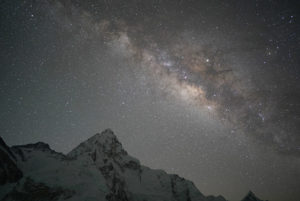
- Clear post-monsoon skies reveal the most spectacular Himalayan views of the year.
- Stable weather and moderate temperatures make trekking conditions ideal.
- Dry trails ensure safe and comfortable movement across regions.
- Best season for both high-altitude treks and combined cultural or wildlife extensions.
- Reliable logistics and accessibility make travel smoother and more predictable.
- Perfect season for both classic routes and offbeat treks.
Festival Highlights:
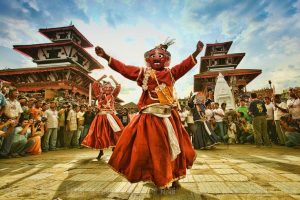
- Indra Jatra: One of the biggest festivals (7 days) in Kathmandu Valley, honoring Indra, the god of rain. The city comes alive.
- Dashain: The biggest festival in Nepal, celebrated with family reunions, worshipping the Goddesses, blessings and amazing foods.
- Tihar: Festival of lights, 5 days festival of crows, dogs, cows, the Goddess of Wealth and Abundace, and the bonding between brothers and sisters. (Read: Nepal’s Biggest Festival Dashain and Tihar)
- Gai Jatra: Festival of cows, commemorating deceased relatives, mostly in Kathmandu Valley.
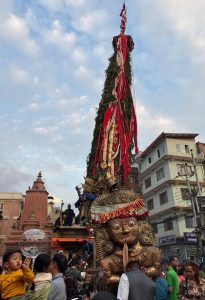
- Rato Machhindranath Jatra: Chariot festival in Patan (Lalitpur, Kathmandu Valley), lasting several weeks.
- Teej: Women’s festival, widely celebrated all over Nepal by having feasts several days ahead and fasting, singing and dancing and worshipping Shiva on the final day.

Our Expert Advice:
- Expert guidance ensures acclimatisation and smooth logistics.
- Tailored itineraries allow adventurers to experience both trekking and festivals.
- Make sure your travel is safe and in comfort.
Winter (December – February): Quiet High-Altitude Adventures
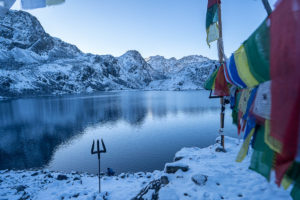
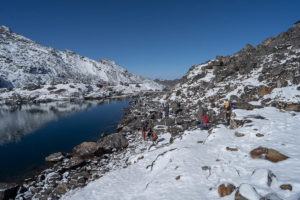
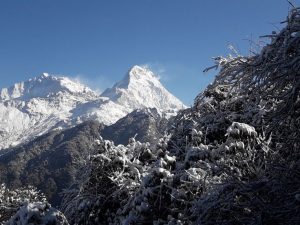
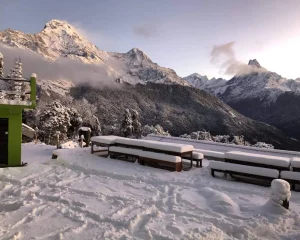
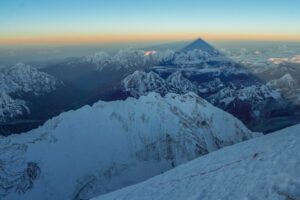
Winter brings serenity and a sense of solitude to Nepal’s high-altitude regions. Everything is slow, calm and mystical. Perfect for short treks and exploration.
Top Adventures:
- Ghorepani Poon Hill: Classic sunrise view, 4–5 days from Pokhara.
- Australian Camp / Dhampus: Easy, 3–4 days with Annapurna views.
- Chisapani Nagarkot: Near Kathmandu, 2–3 days, great for sunrise and Himalayan panorama.
- Chisapani Shivapuri: Short, 1–2 days, accessible from Kathmandu.
- Helambu Trek: 4–6 days, close to Kathmandu, culture + mountains.
- Langtang Valley Trek: 5–6 days, snow-capped mountains without going too far.
- Mustang Trek (for experienced trekkers): Explore the “Forbidden Kingdom” with dramatic landscapes.

Why Winter?
- Fewer crowds for a peaceful, reflective experience.
Festival Highlights:
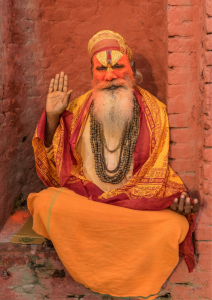
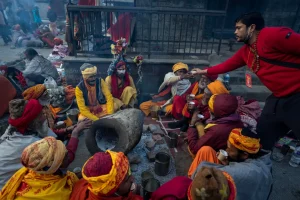
- Maghe Sankranti: Winter solstice festival, marking longer days.
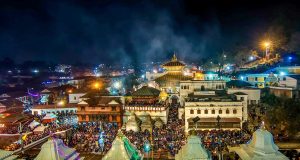
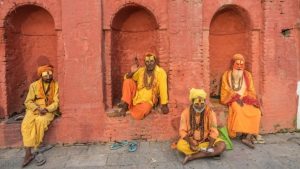
- Shivaratri: Night-long worship of Lord Shiva; Pashupatinath is the epicentre.
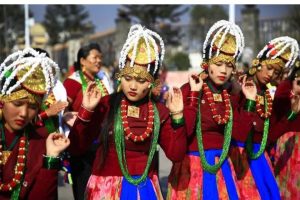
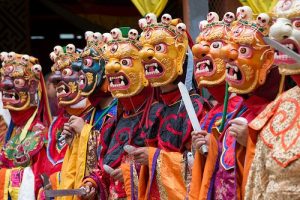
- Losar (Tibetan New Year): Celebrated by Tibetan Buddhist communities across Nepal, and especially in Boudhanath and Swayambhunath in Kathmandu Valley.
Our Expert Advice:
- Winter treks are fewer in number and are created for your comfort and safety.
- Guides provide expertise in navigating high-altitude conditions even in winters.
- Experts in navigating trails, or unforeseen situations.
Every Trek is More than Just A Walk
Every trek with Himalayan Quests comes with options for add-on experiences. Guests can enjoy wildlife safaris, cultural immersion tours, homestays, village tours, or short excursions before or after their trek, creating a more holistic adventure.
Conclusion
No matter the season, the best time to visit Nepal is whenever you are ready to experience its mountains, culture, festivals, and wilderness in an authentic way.
Nepal offers adventure, culture and memories for every season. Whether it’s trekking among spring blooms, experiencing fall adventures and festivals, or exploring winter’s quiet experiences, Himalayan Quests curates each journey with precision and authenticity.
Your next adventure is waiting. Choose your season, pack your gear, and let Himalayan Quests guide you through the heart of Nepal.

Image Source: Himalayan Quests and Internet
Recent Comments