

March 3 marks World Wildlife Day, a global celebration of biodiversity and the vital role wildlife play in sustaining our planet. Nepal, with landscapes ranging from subtropical lowlands to high Himalayan peaks, is home to some of the world’s most iconic and endangered species. Over the years, Nepal has made significant strides in wildlife protection, showing how science, community action, and policy can work together to conserve biodiversity.
1) Tiger Conservation: Doubling the Stripes (121 to 355)
Nepal’s Bengal tiger population has experienced one of the most remarkable wildlife recoveries globally. From just 121 tigers recorded in 2009, the number rose to 355 in 2022. This means Nepal didn’t just meet the global Tx2 target of doubling tiger numbers by 2022; it exceeded it. Tx2 was a global commitment launched at the 2010 Tiger Summit in St. Petersburg to double wild tiger populations, and Nepal emerged as one of the few countries to surpass this ambitious goal.
The Terai Arc Landscape has been central to this success, ensuring habitat connectivity across protected areas such as Chitwan National Park and Bardia National Park, allowing tigers to breed, disperse, and thrive. Nepal’s tiger recovery now stands as a global benchmark in big cat conservation.


2) Gharial and Freshwater Conservation (50 to 366)
In the late 1990s, gharial numbers in Nepal had dropped to just a few dozen individuals due to fishing nets, river modifications, sand mining, and egg collection. Thanks to sustained conservation efforts, the population has now recovered to more than 350 individuals as of 2025.
The critically endangered gharial, a long-snouted, fish-eating crocodile, is an important indicator of freshwater ecosystem health. Protecting these apex aquatic species benefits entire river systems, supporting fish populations, water quality, and the livelihoods of communities that rely on healthy rivers.


3) Red Pandas: Guardians of the Eastern Himalayas (317-582 to 500-1,000)
The red panda, a shy, bamboo-eating mammal of Nepal’s temperate forests, has seen encouraging recovery. Around 2000, populations were estimated at roughly 317-582 individuals across fragmented habitats in eastern and central Nepal. Today, thanks to habitat protection, community monitoring, and anti-poaching efforts, their population is estimated at 500-1,000 individuals.
Originally limited to three core habitats, red pandas now occupy five key regions, including Kanchenjunga Conservation Area, Ilam forests, Taplejung and Panchthar districts, and Langtang region. These areas provide dense bamboo and temperate forest cover essential for feeding and breeding.


Image: Kathmandu Post, WWF
4) Snow Leopards: High-Altitude Conservation (200-300 to 397)
Nepal’s elusive snow leopard population has benefited from careful monitoring and conflict mitigation programs. In the early 2000s, estimates suggested 200-300 individuals across the Eastern, Central, and Western Himalayas. The latest national census in 2025 reports approximately 397 snow leopards.
Snow leopards inhabit rugged mountains, rocky ridges, and alpine meadows in Eastern, Central, and Western Himalayan conservation areas. As apex predators, they regulate prey populations such as blue sheep and Himalayan tahr, maintaining ecosystem balance. While numbers are increasing, threats like habitat fragmentation, climate change, and human-wildlife conflict require continued protection.
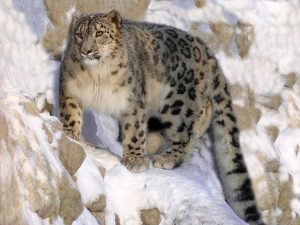
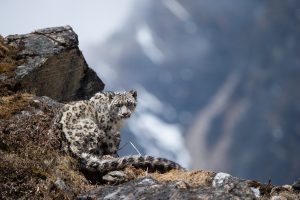
Image: WWF, Buddhistdoor
5) Vultures: Bringing Back the Scavengers
Nepal is home to eight vulture species, including critically endangered ones like the white-rumped, slender-billed, and red-headed vultures. Populations collapsed in the early 2000s due to poisoning from veterinary drugs like diclofenac, falling from over 1.6 million in the 1990s to less than 20,000. Today, thanks to vulture feeding centres, safer livestock drug use, and habitat protection, numbers are showing early signs of recovery, with local surveys reporting hundreds to low thousands in monitored regions, though a nationwide total is still being established.
Vultures play a vital ecological role by removing carrion and reducing disease risk. In regions like Pokhara, censuses recorded around 471 vultures, up from under 400 previously. Ongoing monitoring, nest protection, and community awareness remain essential to ensure their long-term recovery.

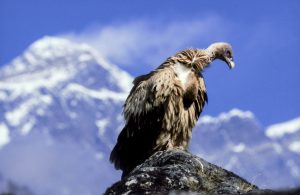
Image: The Rufford Foundation, NPR
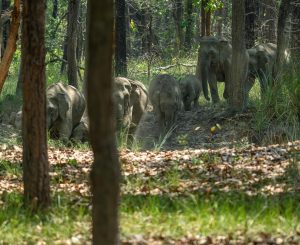
6) Elephants and Wild Water Buffaloes
In southern Nepal, the Asian elephant population has grown steadily through habitat protection, anti-poaching efforts, and community conservation. Around 2000, there were roughly 100-150 elephants, primarily in Chitwan, Bardia, and Parsa National Parks; today, numbers are estimated at 200-250 individuals.
Similarly, wild water buffaloes, once reduced to around 150 individuals, have rebounded to approximately 400 thanks to habitat restoration, anti-poaching measures, and population management. These successes enhance biodiversity and help reduce human-wildlife conflict, maintaining ecosystem health in Nepal’s lowland forests and grasslands.

Community and Government Initiatives
Nepal’s conservation success is deeply rooted in community participation and strong government commitment. Over the past two decades, the number of community-managed conservation groups has grown significantly. Today, hundreds of local groups actively participate in forest management, anti-poaching patrols, habitat restoration, and awareness campaigns.
The buffer zone management model has been particularly effective, channeling a percentage of national park revenue back into communities to fund schools, health posts, alternative energy, and sustainable livelihoods. These benefits transform local perceptions of wildlife from threat to asset, turning communities into long-term guardians of biodiversity.
Nepal’s national parks and wildlife reserves, including Chitwan, Bardia, Sagarmatha, Koshi Tappu, and Shuklaphanta, are now recognised globally as models of integrated conservation, combining tourism, research, habitat management, and community partnership.
Challenges That Remain
Despite remarkable achievements, conservation is ongoing. Practices like elephant rides in some tourism areas continue to raise ethical concerns. While these facilities are decreasing, there is still no comprehensive nationwide ban.
Poaching and illegal wildlife trade, though reduced, persist, especially for high-value species like tigers and rhinos. Habitat fragmentation from infrastructure development threatens wildlife corridors and natural movement between protected areas.
Looking Ahead
Nepal’s wildlife conservation journey demonstrates that political will, scientific monitoring, and empowered communities can deliver measurable results. The recovery of tigers, stabilisation of snow leopards, protection of red panda habitats, revival of vultures, and growth of gharials, elephants, and wild water buffaloes show what is possible when conservation is prioritised nationally.
Future challenges like climate change, human-wildlife conflict, and infrastructure growth will require stronger wildlife corridors, ethical tourism practices, investment in conservation technology, and deeper community incentives to safeguard Nepal’s biodiversity for generations.
Conclusion
Nepal’s wild landscapes are full of wonder and discovery. Whether it’s spotting tigers in the Terai, trekking among Himalayan peaks, or witnessing rare species in their natural habitats, Himalayan Quests curates each journey with care and respect for nature. Your next adventure is waiting. Step into Nepal’s wilderness and explore with us responsibly.
Recent Comments