

High in the rugged terrain of Upper Mustang, Samjung was once a thriving Himalayan settlement. Today, it stands nearly empty; a stark reminder of how climate change in Nepal is altering lives and landscapes.
For centuries, locals depended on glacial meltwater for farming and livestock. But as Himalayan glaciers retreat, springs have dried up, rain patterns have shifted and fertile fields have turned barren. Water scarcity has forced families to migrate, leaving behind their ancestral homes and a cultural heritage that is centuries old.


Images: Ghanashyam Khadka, Niranjan Shrestha
What Does This Mean for the Himalayas?
Samjung’s story is not an isolated case. Across the Himalayan region, and especially in areas like Upper Mustang, climate change in Upper Mustang Nepal is not just an environmental shift; it is a social and cultural disruption. Communities are increasingly facing water shortages, unpredictable weather patterns, and shrinking agricultural opportunities.
The Himalayas are warming faster than the global average, making the situation more urgent. Beyond livelihoods, these changes threaten cultural identity, local languages, and traditional knowledge systems that have evolved in harmony with the mountains for generations.

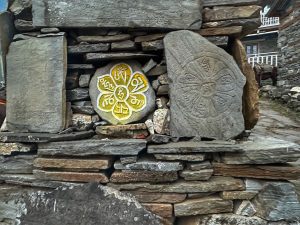
Image: Niranjan Shrestha
Tourism’s Role: Part of the Problem or the Solution?
Tourism plays a vital role in Nepal’s economy, but in fragile regions like Upper Mustang, climate change in Upper Mustang Nepal is already visible, and unmanaged tourism can add pressure to an already vulnerable ecosystem. Increased waste, plastic use, and carbon emissions all contribute to environmental stress.
This is why responsible trekking and sustainable tourism in Nepal are essential. It is no longer just about travel experiences; it is about protecting the landscapes and communities that make those experiences possible.


Himalayan Quests’ Commitment to Sustainability
At Himalayan Quests, we believe tourism should protect natural and cultural heritage, not harm it. Our approach is built around sustainability without compromising the quality of experience.
Our sustainable tourism practices:
- Eco-friendly operations: Minimising single-use plastic, using reusable gear, and following Leave No Trace principles
- Support local communities: Fair wages, local sourcing, and partnerships with Himalayan villages
- Reduce carbon impact: Thoughtfully designed itineraries and lower-impact travel planning
- Travel light: Conscious use of water, energy, and resources throughout journeys
- Celebrate culture: Respect for local traditions and authentic cultural exchange


Why Act Now?
Samjung is a warning sign of what climate change in Upper Mustang Nepal can lead to if left unaddressed. The Himalayas are changing rapidly, and with them, the lives of the people who call them home.
If climate change continues at its current pace and tourism remains unmanaged, more Himalayan villages could face similar displacement and ecological breakdown. The opportunity still exists to shift direction, but action is needed now.

Join Us in Responsible Travel
When you choose to trek with Himalayan Quests, you are contributing to something larger than travel. You are supporting environmental protection, strengthening local communities, and helping preserve the Himalayas for future generations.
This is a shared responsibility.


Also read: Nepal’s Journey in Wildlife Conservation
Recent Comments